
Improving your health with probiotics
You know you want to improve your gut health and take a probiotic as part of that but you’re not sure where to start. We’re here to help!
What affects gut health?
Do you have a constant ache in your gut? Do you find yourself having to hurry away from others in social situations? Have you just completed a course of antibiotics?
Modern life directly contributes to an unhealthy gut through;
Poor nutrition
Inflammatory foods like gluten, refined sugars, refined seed oils and trans fats kill good microbes and allow bad microbes to thrive. They also damage the lining of the intestine and can cause leaky gut, where toxins and particles leak into the bloodstream.
Medications
Antibiotics, the oral contraceptive pill and synthetic prescription drugs can damage the gut. Studies show one course of antibiotics affects the balance of gut bacteria for two years.
Chronic infections
Including candida, parasites or worms. Candida is part of a healthy gut and is kept in check by other bacteria and yeasts. When a large number of bacteria are killed off – by taking antibiotics for example – the candida grows unchecked and toxic waste products affect health.
Stress
In our world, people are often stressed, busy and tired. Stress can reshape the gut bacteria’s composition and weaken the immune system leading to inflammation.

How do you know if your gut health is off?
Usually, your body sends clear signals, some of which might include:
Digestive distress: frequent bloating, gas, or food sensitivities.
Energy and mood: chronic fatigue, brain fog, or anxiety.
Skin and joints: acne, eczema, or unexplained joint pain.
Hormonal and metabolic: Weight gain, thyroid issues, poor vaginal health, or intensified PMS/perimenopause symptoms.
If you feel "off" across multiple systems, your gut might be asking for help.
What can you do?
Take a probiotic that is liquid and diverse.
Because of modern farming and ultra-processed ingredients, our food and soil have lost the natural biodiversity they once had. This has a knock-on effect on affect to all the symptoms that might be showing up in your gut.
While the long-term goal is to revive our soils, you can support your system right now by reintroducing the diverse, living biology your body expects.
A diverse, soil-based liquid probiotic offers a more natural approach to wellness. Unlike freeze-dried capsules, these microbes are alive and active, functioning as a collaborative community, just as they have in nature for centuries.
Start with a 90-day gut reboot
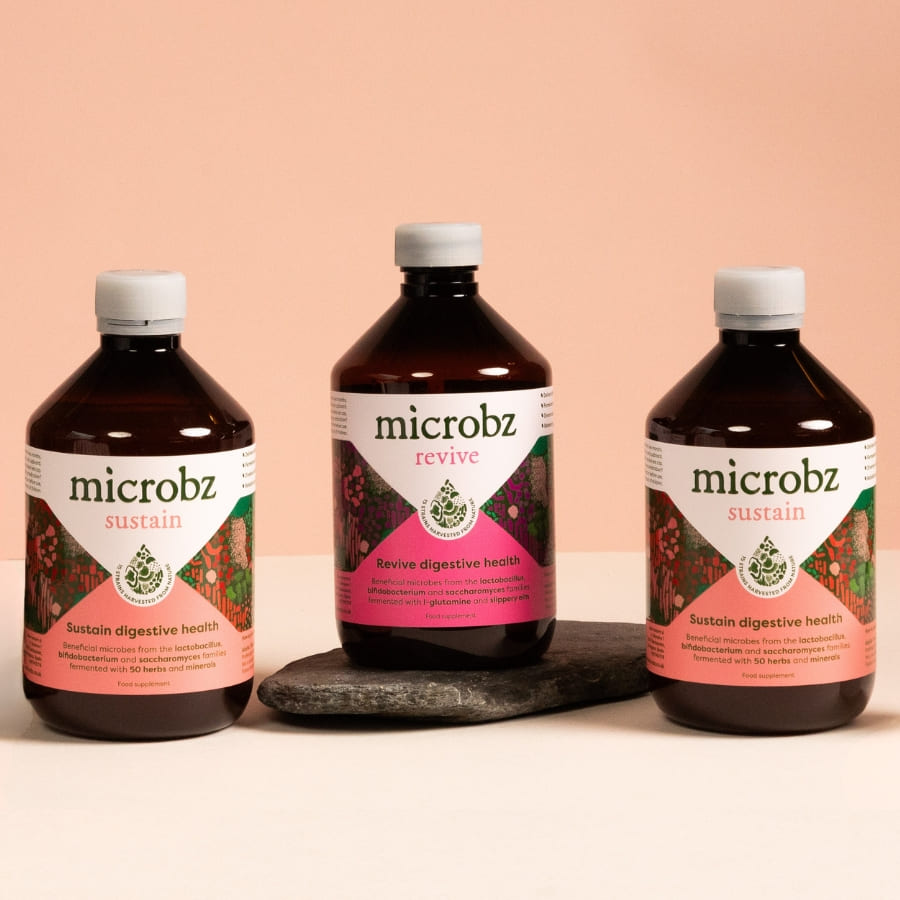
Our 90 day reboot is designed for people who are either new to probiotics or haven’t taken them for a while.
Take revive for the first 30 days and then take sustain for the next 60 days.
Research shows it can take as long as three months to restore and rebalance your microbiome - so make sure you stick with it!
Shop now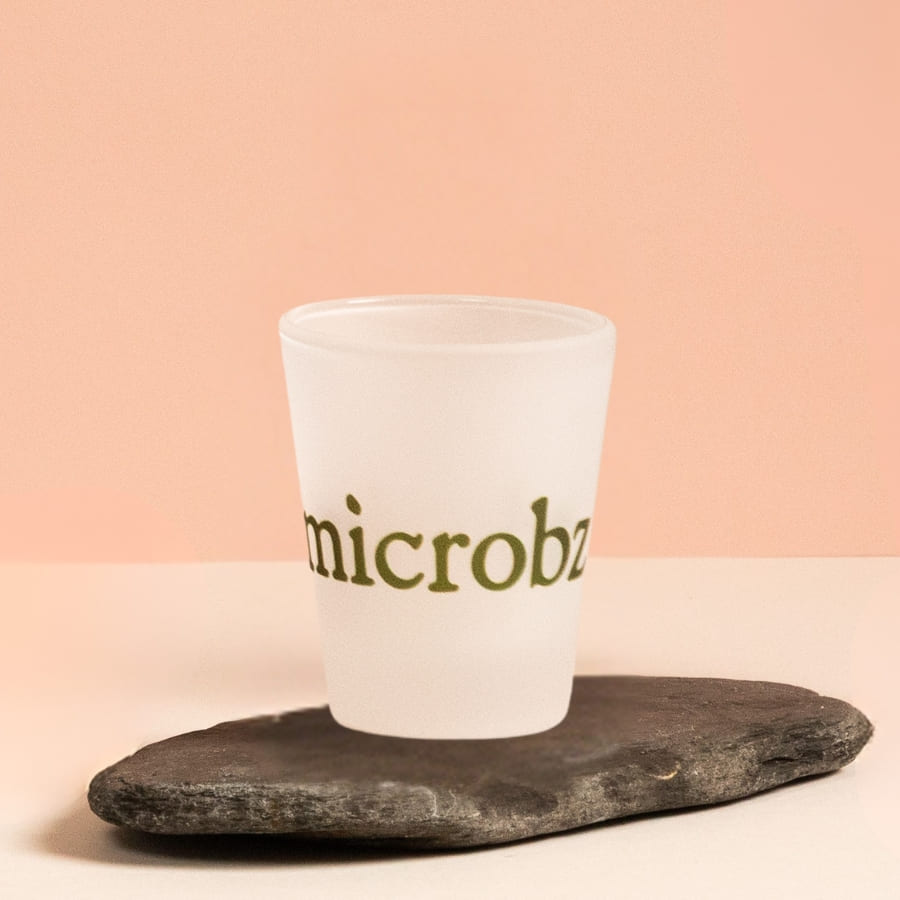
How to take a liquid probiotic
Take 15ml in the morning before you eat.
You can dilute microbz with water or weak juice and use our shot glass if you want guidance on how much 15ml is. Or a tablespoon will do!
All about microbes and gut health

Fibre isn’t what it used to be; and your gut knows it
The fibre story we’ve been told is incomplete. For years, we’ve been told a simple message in articles, books and social media: eat more fibre. While that advice isn’t wrong, it misses something ve...
What every man over 40 should know about prostate health
A quiet shift is happening in midlife for men There is more attention to screening and early detection of prostate issues but the broader conversation about men’s health should not begin and end th...

What is IBS? Irritable Bowel Syndrome (IBS) is a common but complex digestive condition that affects how the gut functions, rather than its structure. That means routine tests often come back “norm...

