
















Nice fat full bag plenty enough for my super soil mix and getting the compost heap firing
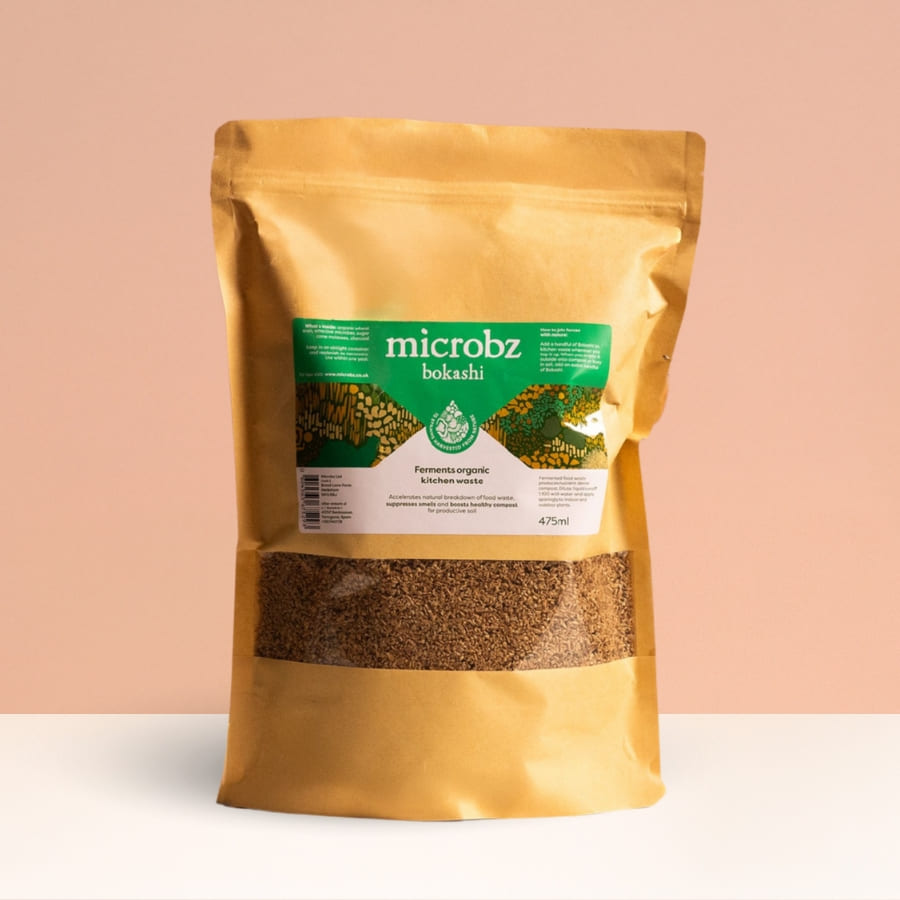
Bokashi
Turn your food waste into a nutrient-rich powerhouse with bokashi, the smell-free ferment that pre-digests scraps for a healthier garden.
500 g = approx. 100 handfuls
 Suppresses unpleasant odors and prevents flies
- Accelerates the fermentation of all kitchen waste
- Preserves vital nutrients and carbon for the soil
- Contains charcoal to preserves nutrients for richer soil
Reduces landfill waste: around 40% of the average household bin is food waste. Bokashi diverts this from the landfill, where it would otherwise produce harmful methane gas.
Zero-waste kitchen: because the microbes can handle meat, fish, and dairy, you can process 100% of your kitchen scraps rather than picking through what is "safe" for a normal compost pile.
Convenience and speed: traditional composting can take 6–12 months and requires outdoor space to turn the pile. Bokashi happens in a small bin under your sink and finishes in a matter of weeks.
Saves money on fertiliser: you create two high-grade fertilisers for free, the liquid "tea" for houseplants and the fermented solids for your garden beds, replacing the need for store-bought chemicals.
Works all year round: standard compost piles often go dormant or "die" in the winter. Because Bokashi happens indoors in a controlled environment, you can keep recycling your waste through the coldest months.
Organic wheat bran, effective microbes, sugar cane molasses, charcoal
Bokashi
Sale price£9.95
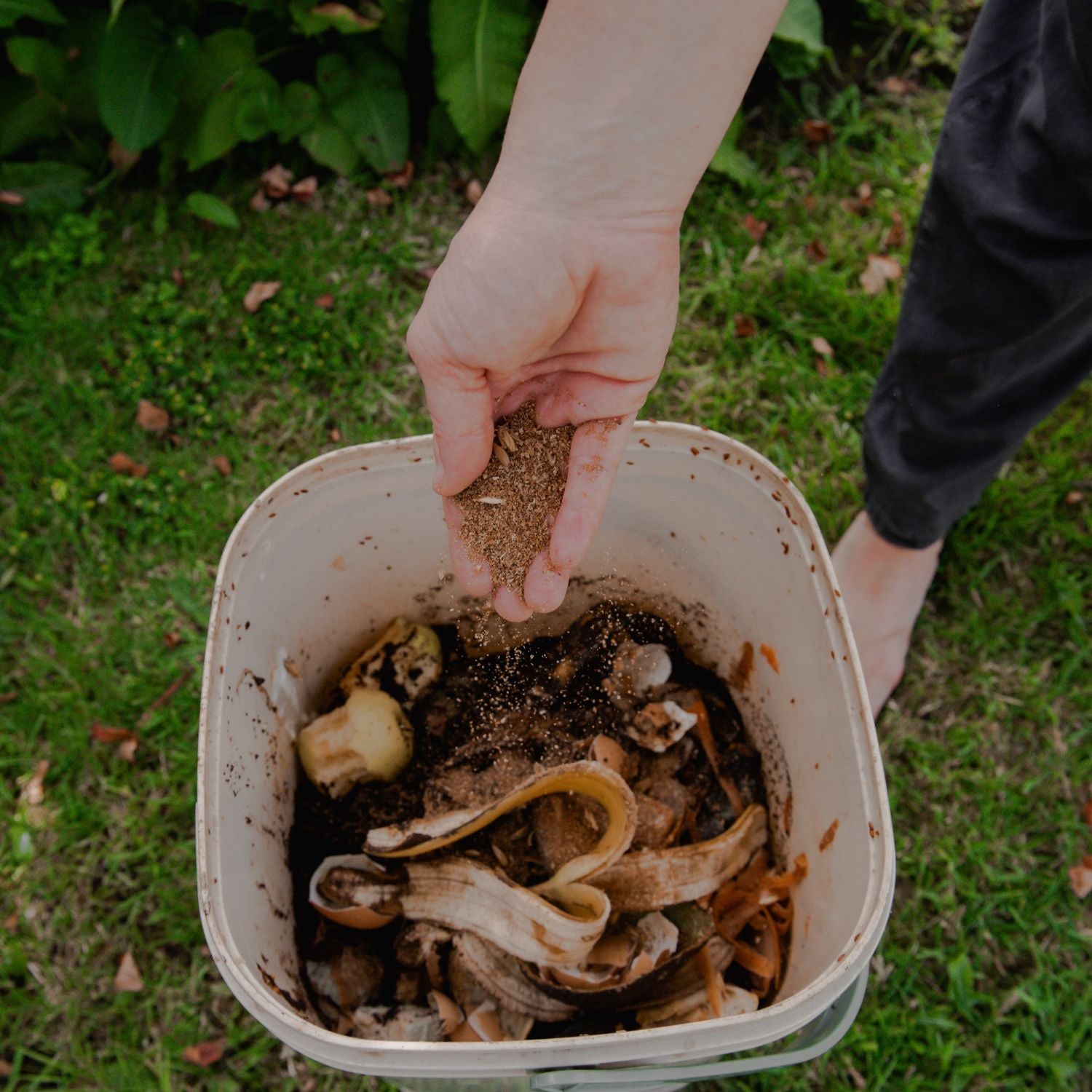
How does bokashi work?
1. Inoculation
You add food scraps to an airtight bin and sprinkle them with Bokashi bran. This bran is loaded with beneficial soil-based microbes (bacteria and yeast) that immediately begin to colonise the waste.
2. Fermentation
Because the bin is sealed, these microbes work anaerobically (without oxygen). They produce lactic acid, which drops the pH level. This acidity:
Eliminates smells: prevents putrefying bacteria from causing odours.
Locks in nutrients: keeps nitrogen and carbon in the waste instead of gassing them off into the atmosphere.
Pre-digests food: breaks down the cellular structure of the scraps so they are ready for the soil.
3. The bokashi tea
During the process, a liquid byproduct collects at the bottom. This "bokashi tea" is a concentrated microbial tonic you can drain off and dilute to feed your plants.
Fermented with charcoal and 15 strains of microbes
Our bokashi locks in 100% of the nutrients and ferments the waste so it can transform into rich, probiotic soil in a fraction of the usual time.
Customer Reviews
Overall rating: 4.8 / 5 from 1448 reviews.

My horse Smartie had dysbiosis but after using Microbz her swollen belly has reduced and she is less bloated, which is fantastic.

Since commencing the Microbz journey I feel Like I have fended off many colds and viruses even when everyone in house has been poorly. It’s my tie staple … if you’re wondering just go for it and try it … you won’t be disappointed.
Without doubt this product boosts and supports the immune system - it beats those classroom bugs!
Without doubt this product boosts and supports the immune system!
I have grown very attached to the scent of the Power cleaner. It reminds me that the microbes are busy, even after I've finished. I tried to do without it, but really struggled to find anything to replace it with. I couldn't find anything, so came back. It's reassuring.
After 2 months of taking microbz, cravings have gone . Regular stools, better moods. Great product!
I have a regular order of Microbz Men, but got a bottle of Microbz Immunity because I knew I would be going through some emotional processes and pushing myself physically and I wanted to support my physiology whilst doing so. This time of year (autumn) is cold season and associated with the lungs in Chinese medicine, and I know from past experience that the blend of herbs and microbes in Immunity is very helpful for avoiding chest issues (especially if there is grief around).
Great product. Looking after our gut health is very important and this is one of the best products that I have found
Just told my friend and she will be buying it when she calls to see me soon
Good for gut
My 2 thoroughbred boys love it and any ulcer issues we had have all gone, great stuff.
My mare Sian is 30 years young Thought she needed something extra in her feeds found this on instagram thought we’d give it a go And to me I think it’s doing her good 👍🏼
Love it
I’m on my third bottle (as recommended) by you and has certainly played a big part in settling a recent but prolonged IBS flare-up. Now feeling much more comfortable and settled along with eating a careful but healthy diet. Would definitely recommend.
This has helped me reduce my night sweats :-)
Settled tummy after being prescribed strong antibiotics and feel well again
This is a great product
Helps enormously.

Dylan is a 23 year old trakehner who this summer developed very itchy skin and reaction to fly bites. He’s always been a bit of a grumpy old man which I thought could be related to his gut health. Since using Microbz his skin is brilliant and he’s so much happier in his demeanour. He has it every day and his skin is healthy and he’s happy, best product ever!
I've used the Horse Nutrition for around a year and our horse has seemed happier and looking better since.
Website very easy to navigate. Fast response from customer service. I started slow with the probiotics, 1 tablespoon a day to see if my gut would tolerate it, at first I was a bit gurgle in tum but after about a week I increased dose slowly until I’d reached recommended dose. I have Crohns so everything has to be introduced slowly, as the weeks went on my usual uncomfortable tum settled and my energy increased, also I was able to eat the odd naughty food 😉. I’d highly recommend Microbz.
I've been using Fitness for a while and I feel good, thanks!
Lilly's sweet itch has been better since using this. Her coat is shiny.
Has really helped my IBS with constipation
So far I can feel a difference taking the revive and using the magnesium oil - one has definitely improved my digestion and magnesium definitely helps my sleep Customer service are so helpful too..

Seems to be looking much better than he did and will continue to buy microbz
As I can't easily or sensibly get inside my gut to check that all is well and that Microbz Man does what it says on the bottle, I'm simply trusting that it does. The only practical product improvement that I can suggest is that you replace the attached cap, which simply flops thanks to gravity and as a result can get in the way of the flow of the probiotic. A firm connection between cap base and cap lid is much preferable, as many other bottled liquid products have. Thank you.

Brilliant product. My horse’s coat looks fantastic and his fatty lumps have subsided. I’m really pleased with the results. 👍👏👏👏👏
Cleans wekk but smell was only there for one day and then does not smell nice
Good product
I’ve been using Microbz for many years & also give them to my ( grown up) children. We all feel safer & healthier for them & will continue to do so.
Many thanks

I’ve been taking Microbz when needed for 8 years. Love this company
I am on my second bottle and think it is still too early to tell if it has had an effect. I think my digestion is better and I'm noticing when it isn't it's when I've eaten processed food or drank alcohol. I'm happy to continue with my third bottle and will review again at the end of that
I am now on my 2nd month of taking microbz. I feel I have more energy and has helped enormously with my bowels. As somebody who has suffered with constipation for years, I am now able to open my bowels regularly and pain-free.
Has a remarkable impact after just one feed - the young calves are noticeably calmer and less vocal once they start on the cattle broth. Given they are on powdered milk, popping in the Microbz feels like adding something more natural to their feeding regime. I’ve weaned about 100 calves with it so far and won’t go back to trying to do it without.
Feeling good …so easy to take …I would definitely recommend it.
I take this Sleep every morning before breakfast. I find it helps calm my mind and I fall to sleep faster. I've just given a bottle to my sister in law, hopefully it will help her too. Thank you for something natural that works.
My gut is ao happy
Xx
FAQs for bokashi
Should I add Bokashi when I empty my kitchen waste?
What is the "white fluff" on top?
How often should I drain the "tea"?
How long before I can plant in the soil?

