



A quiet shift is happening in midlife for men
There is more attention to screening and early detection of prostate issues but the broader conversation about men’s health should not begin and end there.
For many men, the first signs of change appear quietly. It might be waking more often in the night. A subtle shift in urinary flow. Something easy to dismiss, easy to put off, easy to normalise.
These changes are commonly linked to the prostate itself, particularly age-related changes in prostate size. But researchers are beginning to explore a wider picture. One that includes inflammation, metabolic health and something that is becoming increasingly central to modern health science: the microbiome.
This is where the story becomes particularly interesting. Because prostate health may not be an isolated issue. It may be part of a much bigger ecological system within the body.
The microbiome: an invisible system with far-reaching influence
The human microbiome consists of trillions of microorganisms living primarily in the gut. For many years, these microbes were thought to influence digestion alone. We now know they play a far broader role.
They are involved in:
• immune regulation
• metabolic processes
• inflammatory signalling
• hormonal pathways
In many ways, the microbiome acts like an internal ecosystem. And like any ecosystem, its health depends on diversity, balance and resilience.
As we age, this ecosystem begins to shift.
The midlife microbiome shift
Research shows that microbial diversity tends to decline gradually with age. This is not caused by a single factor, but by the accumulation of many small lifestyle changes over time.
Diet, alcohol intake, stress, medication use and reduced physical activity can all influence the composition of gut bacteria.
This shift matters because lower microbial diversity has been linked with higher levels of chronic low-grade inflammation, sometimes referred to by researchers as inflammaging. This background inflammatory state is thought to contribute to a number of age-related conditions.
Scientists are now beginning to explore whether this same process may influence prostate health.
Early research suggests that microbial activity may affect immune responses and hormonal signalling, both of which are relevant to how prostate tissue behaves over time.
This field is still developing. But it reinforces a powerful idea: the body does not operate in isolated systems. It operates as a network.
Metabolic health and prostate symptoms
Alongside the microbiome, another important piece of the puzzle is metabolic health.
Studies have found that men with higher waist circumference, insulin resistance or metabolic syndrome often report more urinary symptoms.
This does not mean one directly causes the other. But it highlights an important association.
Metabolic changes can increase oxidative stress and inflammatory signalling within tissues. Over time, this may be relevant to how prostate tissue changes over time.
Which means that supporting metabolic health is not just about cardiovascular wellbeing. It may also play a role in maintaining urinary comfort as men age.
Simple factors such as:
• maintaining a healthy weight
• supporting blood sugar balance
• staying physically active
can have wide-reaching effects across multiple systems in the body.
Nutrients linked with prostate physiology.
Certain nutrients have long been associated with prostate health because of their roles in antioxidant protection and immune regulation.
• Zinc is naturally concentrated in prostate tissue and plays an important role in cellular metabolism and antioxidant defence.
• Selenium helps regulate oxidative stress within cells.
• Magnesium supports hundreds of enzymatic reactions involved in energy metabolism and inflammation control.
A balanced, whole-food diet remains the foundation for obtaining these nutrients.
Some men choose to explore supplementation as part of a broader wellness routine, but the core principle remains the same: support the system, not just the symptom.
Botanical traditions for urinary support
Long before modern research began exploring the microbiome, herbal medicine traditions were already supporting urinary health.
• Saw palmetto (Serenoa repens) is perhaps the most widely known botanical associated with urinary symptoms linked to prostate enlargement.
• Nettle leaf (Urtica dioica) has a long history of use in European herbal medicine.
• Goldenrod (Solidago virgaurea) has traditionally been used to support urinary tract health.

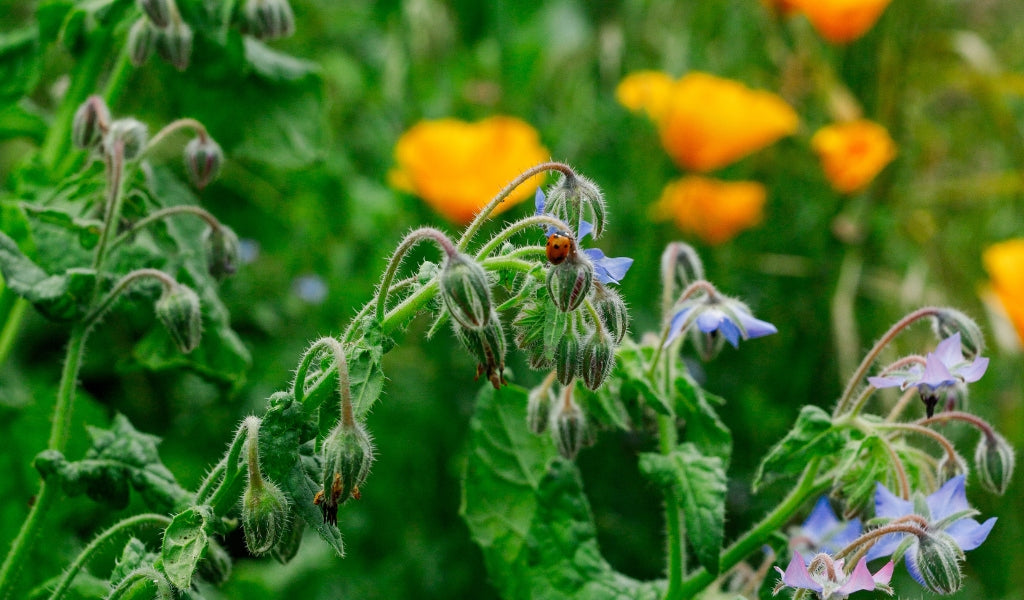
Herbs used in the men's probiotic, which are designed to support urinary and prostate health
These botanicals continue to be explored in modern research and remain widely used within herbal practice today.
They form part of a long-standing tradition of working with the body, rather than against it.
Where the microbiome fits in
As understanding of the microbiome grows, it is becoming an increasingly important part of the conversation around midlife health.
Fermented foods such as:
• kimchi
• sauerkraut
• miso
• tempeh
contain beneficial bacteria and microbial metabolites that help support microbial diversity.
Plant-rich diets provide fibre and polyphenols that act as fuel for these microbes, helping them thrive.
Some people also explore fermented supplements or microbiome-focused formulations as part of a daily routine.
Fermented microbiome formulations, including products such as microbz men, combine beneficial microbes with fermented botanical extracts and nutrients, reflecting a growing interest in fermentation-based approaches to supporting digestive balance and overall wellbeing.
And there is something important here that often gets overlooked: the best health routines are the ones that people can actually stick to.
Simple. Consistent. Sustainable.
A broader conversation about men’s health
Despite how common prostate changes are, many men delay discussing symptoms.
There can be a tendency to wait. To minimise. To assume it is “just part of getting older.”
But early conversations with healthcare professionals matter. They help identify whether symptoms relate to benign prostate enlargement, infection or other medical conditions.
More broadly, they open a conversation about health as a whole.
Because prostate health does not exist in isolation.
It reflects wider systems:
• metabolic health
• immune regulation
• inflammatory balance
• microbial diversity
And these systems are shaped over time, often long before symptoms appear.
Three simple health habits men over 40 should consider
1. Support gut diversity
Eat a wide variety of plant foods alongside fermented foods to help maintain a diverse microbiome.
2. Maintain metabolic health
Regular movement, balanced nutrition and a healthy waist circumference support multiple aspects of midlife health.
3. Pay attention to symptoms
Changes in urinary habits are common, but they should always be discussed with a healthcare professional if persistent.
Prostate health is often discussed only once symptoms appear, but many of the factors that influence it, metabolic health, inflammation and microbial balance, begin much earlier in life.
This is the shift that is beginning to happen in research.
A move away from isolated systems. Towards interconnected biology.
A recognition that the body behaves less like a machine, and more like an ecosystem.
And that supporting that ecosystem may be one of the most powerful things we can do as we age.
Disclaimer
This article is for general information only and is not intended to replace personalised medical advice. If you have any health concerns or persistent symptoms, please consult a qualified healthcare practitioner.
Written by Rick Hay, a leading authority in plant-based nutrition, nutrition and botanical medicine, with over 25 years of experience in natural health.
Dip Nutrition Dip Botanical Medicine Dip Teaching
TV Presenter and Author of 'The Anti Ageing Food & Fitness Plan - Plant Based Edition'
References and further reading
Prostate Cancer UK (2025) Prostate cancer statistics and risk information. Available at: https://prostatecanceruk.org
NHS (2024) Enlarged prostate (benign prostate enlargement). Available at: https://www.nhs.uk/conditions/prostate-enlargement/
Ana M. Valdes et al. (2018) ‘Role of the gut microbiota in nutrition and health’, BMJ. Available at: https://www.bmj.com/content/361/bmj.k2179
John F. Cryan et al. (2020) ‘The microbiota–gut–brain axis’, Physiological Reviews. Available at: https://journals.physiology.org/doi/full/10.1152/physrev.00018.2018
T.S. Ghosh et al. (2022) ‘The gut microbiome as a modulator of healthy ageing’, Nature Reviews Gastroenterology & Hepatology. Available at: https://pubmed.ncbi.nlm.nih.gov/35468952/