

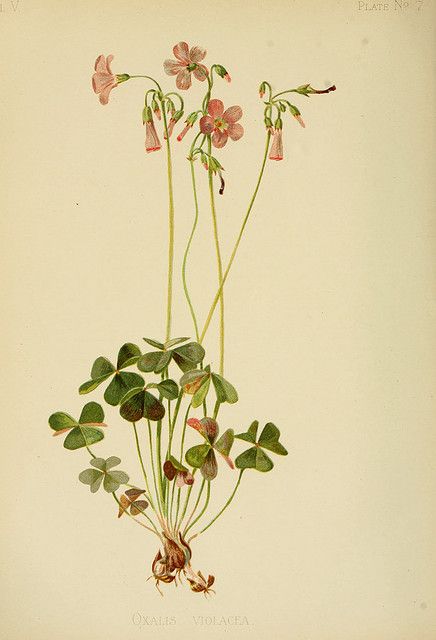
Sorrel
Rumex acetosa
Family: Polygonaceae
Which probiotic is it in?: Sorrel is a key ingredient in Bio-Live Gold and Bio-Live Dark.
Habit and cultivation: Native to UK and most of Europe and grows in most soils under a variety of conditions. Found more abundantly in fields where the soil content is high in iron.
Actions (known for): Bitter digestive tonic, anti-inflammatory, refrigerant, diuretic and anti-bacterial.
History of Sorrel
Parts used from the Sorrel
Leaves both dried and fresh.
Constituents (bio available chemicals):
Oxalate acid, tartaric and tannic acids.
Nutritional constituents:
Vitamins: A and C. Minerals: potassium.
Indications:
Fevers, gargle for sore throat, constipation, skin tumours and internal ulcers. Topically: wounds from chicken pox, boils and bruises.
Dosage:
An extract of leaves (25g to half litre of boiling water) used as a cooling drink for fever. 1tsp infused into hot water and left for 15-20mins, drink 3 x daily.
British Herbal Pharmacopoeia
Cautions for therapeutic doses
Gout, kidney stones and arthritis.
