

Barley Grass
Hordeum vulgare
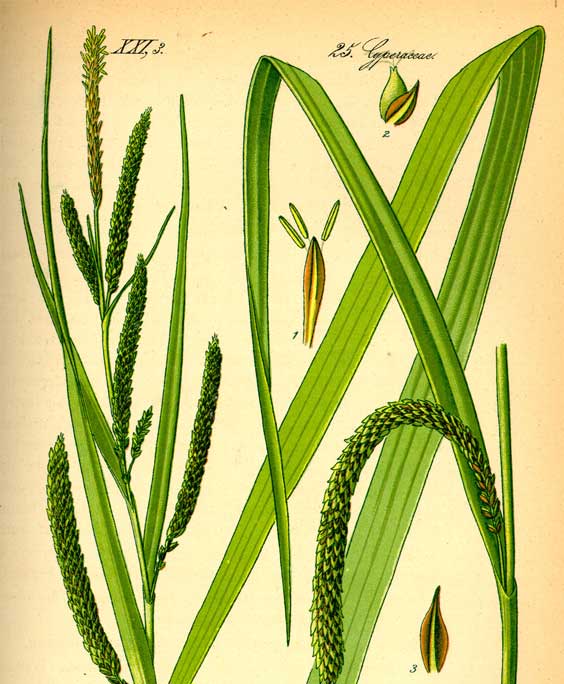
Family: Poaceae
Which probiotic is it in?: Barley Grass is a key herb in Sustain
Habit and cultivation: Adaptable to a greater climate range than any other cereal, with a stronger resistance to dry heat than other grains.
Actions (known for): Anti-cancer, anti-inflammatory, immunostimmulant, digestive, circulatory stimulant.
History of Barley Grass
Parts used from the Barley Grass
Young leaves of plant before it produces grain and before a stem develops.
Constituents (bio available chemicals):
Chlorophyll, amino acids, proteins.
Nutritional constituents:
2tsp = 4.5g fibre. Vitamin: B1,B2, B3, B5, B6, B9 (folate), B12, C and E. Minerals: Calcium, magnesium, manganese, potassium, copper, phosphorus, iron, zinc and arginine.
Indications:
Removing heavy metals out of the thyroid, arthritis, migraine headaches, asthma, fatigue, gastrointestinal issues including constipation, skin issues, cancer, diabetes, lymphatic cleanser, alkaliser.
Dosage:
5-15gm (1-3tsp): mixed with water or banana and mango smoothie. 30ml shot of freshly cold pressed barley grass.
British Herbal Pharmacopoeia
Cautions for therapeutic doses
Celiac disease. Also allergic reactions to grasses.
