

Summer skin problems start long before the itching
Support your horse's hindgut through the biggest seasonal change of the year.
Summer brings many changes: grass quality, insects, more travelling, competitions and routine changes. All of these affect the delicate microbial community living inside your horse's hindgut.
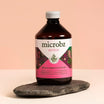
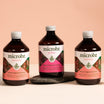
Microbz is a live fermented broth containing active yeast* and beneficial microbes, designed to support normal digestive function as part of your horse's daily management.
*Click here to view study: 2025 study published by Oxford University Press on behalf of the American Society of Animal Science on the influence of the yeast Saccharomyces cerevisiae.
Why do so many horses struggle during the summer?
Common summer conditions linked to poor or compromised hindgut health include: sweet itch (insect bite hypersensitivity), equine hives (urticaria), rain scald (dermatophilosis), mud fever (pastern dermatitis), fecal water syndrome, colic and colonic ulcers.
These common seasonal changes all place extra pressure on your horse's hindgut.
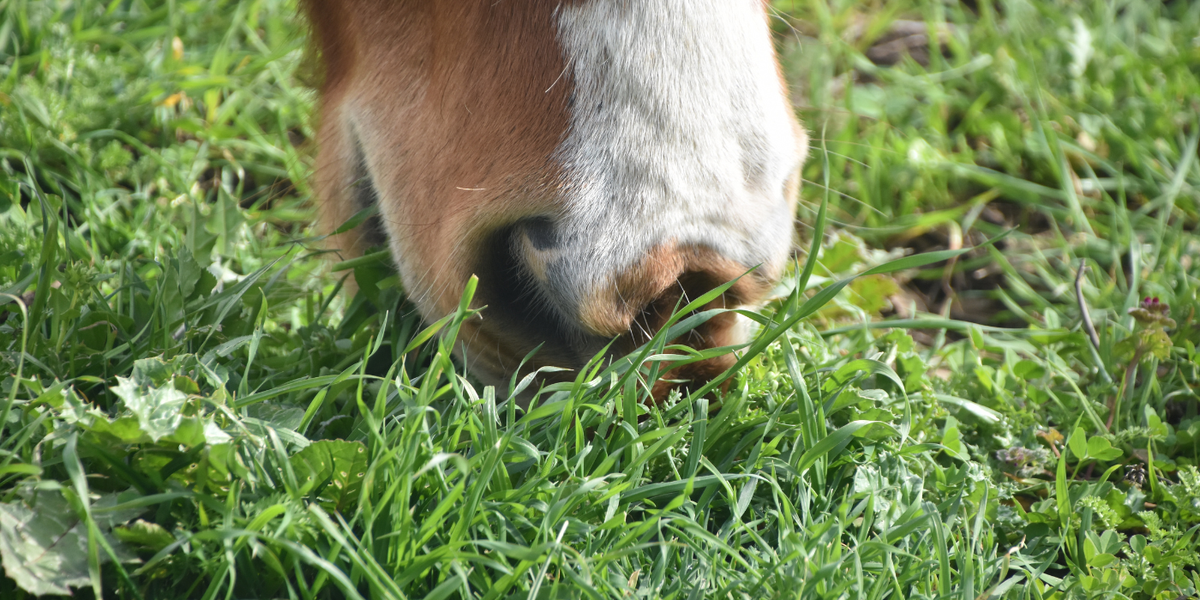
Spring grass
High sugar and changing pasture can disturb the hindgut microbiome.
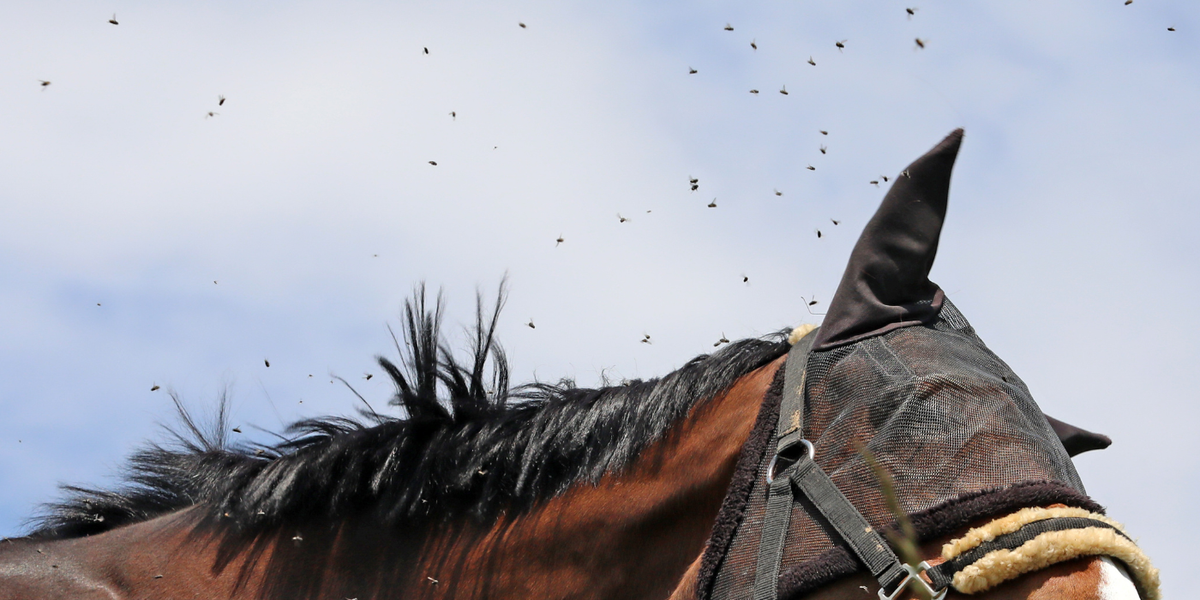
Midges and insects
Biting insects trigger skin irritation and stress responses.
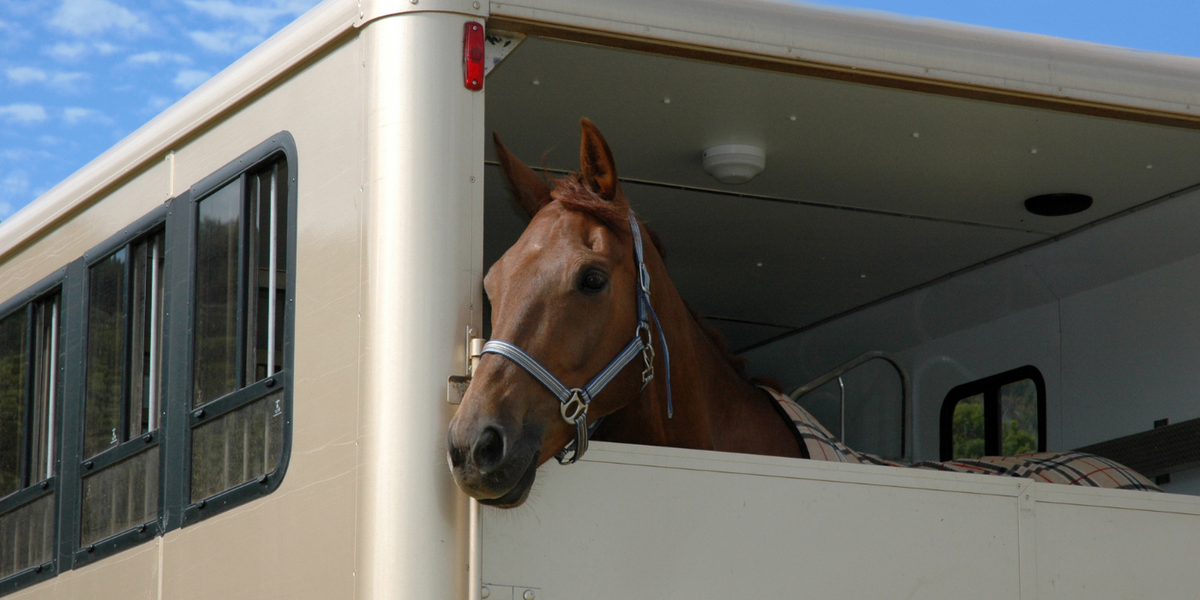
Travel and events
Transportation and competitions create stress and routine disruption.
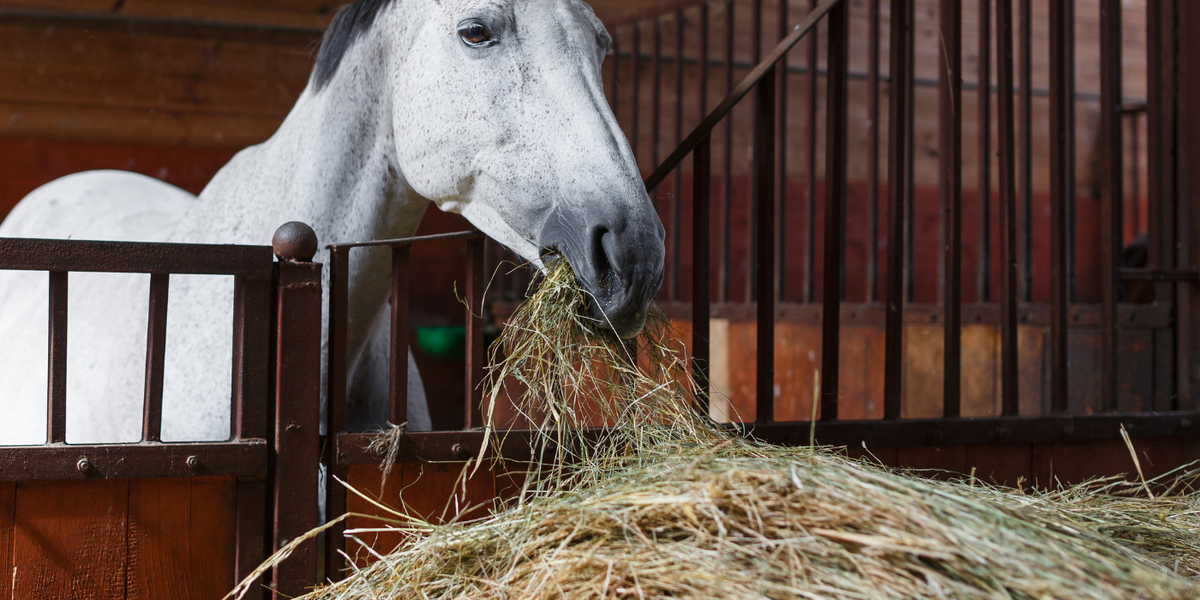
Hay and forage changes
New haylage or stabling can alter the microbial balance.

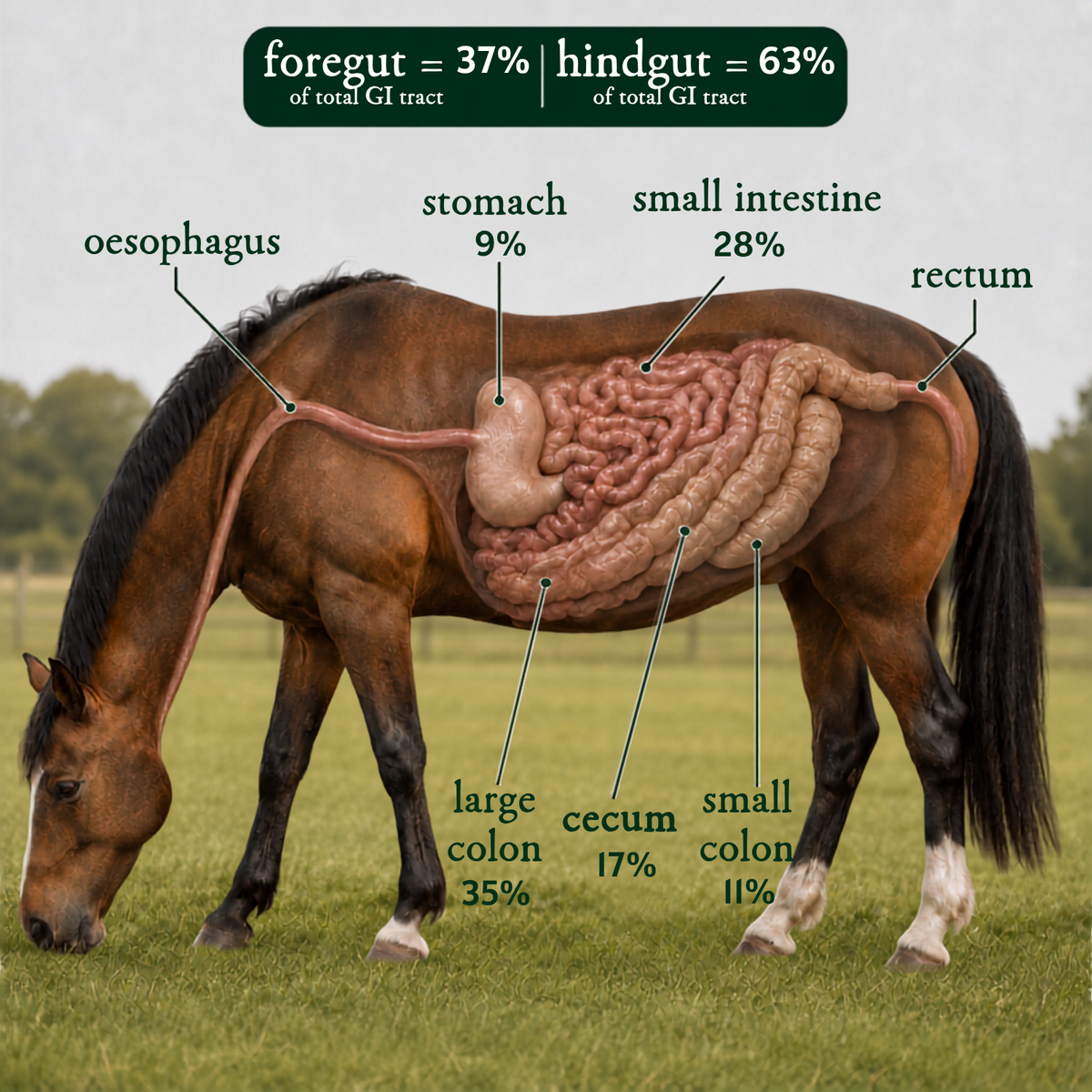
Your horse is really feeding trillions of microbes
More than half of your horse's energy comes from microbes fermenting fibre in the hind gut.
- Horse's don't digest grass - microbes do.
- Those microbes break down fibre.
- Your horse absorbs the nutrients.
- A balanced hindgut = better use of feed, and better overall wellbeing.

How microbes helped Bono (aged 21)
Bono has been taking microbz horse nutrition for the last three months after struggling with itchy back legs.
His owner, rachel, tried looking up natural remedies for sweet itch in horses, but nothing seemed to do the trick.
Instead, she decided to apply our microbes topically to his skin as well as adding them to his feed.
Within a week, bono had almost stopped scratching completely!
Read our full case study from an experienced dressage rider who used microbes as a sweet itch treatment to get bono's skin back to its gorgeous, shiny, and radiant self in time for their british dressage competition.


Our equine complementary feed is a gut supplement for horses. This multi-strain fermentation broth is made from living beneficial bacteria for horses and foals, designed to promote digestive health and build nutritional resilience.
 Calms seasonal reactivity: supports the gut-immune connection to maintain a normal, balanced response to midges and environmental allergens
- Sweet itch relief: it provides a cooling biological barrier when applied topically to help calm hot, uncomfortable skin and reduce frantic rubbing
- Restores the skin microbiome: re-wilds the skin’s natural defences from both inside and out to support hair regrowth and a resilient, shiny coat
Large horse/ongoing digestive issues: mix into regular feed 100-150mls daily.
Small horse or pony: mix into regular feed 40-80mls daily.
Foals: Oral drench 50mls daily.
Can give half in the morning and half in the evening or as recommended by your practitioner.
Store at room temperature and out of direct sunlight.
Purified water, Organic molasses, Bifidobacterium: B. bifidum, B.breve, B. longum. Lactobacillus: L.acidophilus, L. delbrueckii, L. casei, L. reuterii, L. plantarum, L. lactalis. Sacharomyces: S. boulardii, S. cerevisiae. Bacillus subtilis, Streptococcus thermophilus.
All molasses are completely consumed by the microbes, leaving the final product sugar free.

Their skin is a mirror of what is happening on the inside...
Over 70% of your horse’s immune system is located in their digestive tract, primarily in the hindgut.
When the hindgut is disrupted by stress, high-sugar diets, or chemical inputs, the immune system loses its balance.
When a seasonal trigger hits, an unbalanced immune system can hyper-react, leading to severe allergic responses:
Sweet Itch symptoms: an intense hypersensitivity to midge saliva, causing frantic rubbing, hair loss, and raw, inflamed skin along the mane, tail, and belly.
Hive (urticaria) symptoms: a sudden, systemic allergic reaction to environmental allergens, feed changes, or insect bites, causing raised, flat welts to erupt across the neck and torso.
FAQs for horses with skin issues
If you need any further support, or if you're unsure how to get started with your horse, you can reach out to us via email at any time.
Drop us a line at info@microbz.co.uk; our team is always here and happy to help you and your horse!
While our feed supplement calms the immune system from the inside, applying microbz directly to the skin acts as an immediate, living first-aid kit on the outside.
Here is exactly how our live microbes help when sprayed or sponged onto itchy skin, hives, or raw patches:
Stops secondary infections: raw, rubbed skin is an open door for harmful bacteria that cause crusty, weeping infections. Our beneficial microbes physically crowd out these pathogens, starving them of space and nutrients so the skin can heal safely.
Takes the fire out of the itch: our liquid formula instantly cools hot, angry tissue. As the microbes settle in, they produce natural, soothing enzymes that calm localised inflammation, breaking the frantic "itch-scratch cycle."
Rebuilds the skin’s natural defences: harsh chemical washes and fly sprays strip away the skin's natural microbiome, leaving it hypersensitive. microbz re-wilds the skin, restoring its biological barrier so it is less reactive to future midge bites and allergens.
Promotes faster hair regrowth: by producing natural amino acids and antioxidants right at the cellular level, the microbes support rapid tissue repair, helping the hair grow back thick and keeping the skin supple.
Because every horse’s immune system and gut health are unique, results generally happen in two distinct phases: immediate relief on the outside, and long-term stabilisation from the inside.
Here is the typical timeline horse owners experience:
Within 24 to 48 hours (topical spray): the microbes take the fire out of the itch, drastically reducing frantic rubbing and soothing hot, angry welts or sweet itch patches.
Within 2-4 weeks (adding to feed): The microbes begin stabilising the hindgut. Sudden hive flare-ups become less frequent, skin inflammation calms from angry red to healthy pink, and scabs start to heal.
Within 4-12 weeks, the immune system is no longer on a hair-trigger. You will see significant hair regrowth on bald patches, a deep, radiant coat shine, and a much calmer, happier horse.
If your horse is a known sweet itch sufferer, start adding microbz to their feed one month before spring arrives.
Building up that deep gut resilience early prevents the immune system from overreacting when the first midges emerge.
While we have received outstanding feedback from horse owners experiencing wonderful turnarounds, this product is not intended to diagnose, treat, or cure any medical condition. These timelines and observations are based on real customer data and feedback from everyday use. If you are concerned about your horse's health, always consult your veterinarian.
Yes! microbz horse nutrition has no active sugar content and is perfectly safe for sugar-sensitive horses, including those prone to laminitis, EMS (equine metabolic syndrome), or Cushings (PPID).
If you look at our label, you will see organic sugar cane molasses listed as an ingredient. However, this molasses is purely there as "food" for the live microbes during our unique fermentation process.
By the time the liquid is bottled, the microbes have completely consumed and used up the sugar to grow into a strong, active colony.
The finished product leaves you with all the incredible palatability and taste of molasses, making it easy to mix into your horse's feed bucket, but without the high sugar content.
The short answer is that Microbz doesn't just provide bacteria; we bottle a completely active, living ecosystem that is uniquely designed to survive and work efficiently alongside daily nutrition.
Here is what sets us apart from the rest:
Active liquid formula (no "waking up" required): most standard probiotics come as freeze-dried powders or pellets. For those microbes to provide a benefit, they have to absorb moisture and slowly wake up inside the horse's digestive system. Because Microbz is a live liquid, our 15 strains are already active and ready to coat and support the digestive tract from the moment they enter the feed bucket.
Designed to navigate the stomach: this is where many equine probiotics struggle, the harsh stomach acid can impact bacteria before they reach the hindgut. We brew our formula to a precise, stable pH of 3.2. Because our microbes are raised in this acidic environment, they are naturally suited to pass the stomach acids safely, arriving intact in the hindgut where they can best support digestion.
15 symbiotic strains (supporting gut diversity): a horse’s hindgut is incredibly complex. Feeding a supplement with only one or two isolated strains may not offer comprehensive support. Microbz contains a diverse community of 15 distinct, live bacterial strains that work as a team to maintain a natural, balanced ecosystem, helping to support your horse's natural defences during seasonal changes.
Supports nutrient uptake: if a horse's gut is out of balance, they may not properly ferment forage or fully absorb vitamins, meaning valuable feed can go to waste. By supporting the hindgut environment, Microbz helps your horse utilise the goodness from their daily meals, helping to maintain their healthy weight, condition, and coat shine.
Rich in natural vitality byproducts: our unique fermentation process leaves the liquid packed with active enzymes, organic acids, and antioxidants. These natural, beneficial byproducts give your horse an extra daily boost for overall wellness, stamina, and natural vitality to support long-term health.
Read more about microbes for horses...

Sweet itch in horses: causes, symptoms and how to support your horse
Sweet itch is one of the most common allergic skin conditions affecting horses in the UK. Learn what causes sweet itch, the early signs to look for, and how nutrition, gut health and practical mana...

