


Sweet itch is one of the most common allergic skin conditions affecting horses in the UK. Learn what causes sweet itch, the early signs to look for, and how nutrition, gut health and practical management may help support your horse.
For many horse owners, sweet itch can feel like a battle that starts every spring and continues until the first frosts arrive. One day your horse is comfortable and content. The next, they’re rubbing their mane on fences, scratching their tail against stable doors, and leaving you wondering what changed.
If you’ve experienced sweet itch in horses, you’ll know how frustrating it can be. You invest in rugs, creams, sprays and management strategies, only to find yourself repeating the same routine year after year. The good news is that while there is no cure for sweet itch, there is a growing understanding of why some horses seem more affected than others and increasingly, that conversation is moving beyond the skin.
Sweet itch may start with a midge bite but what happens next involves the immune system and the immune system is connected to much more than we once realised.
What is sweet itch in horses?
Sweet itch, sometimes called equine insect bite hypersensitivity, is the most common allergic skin condition affecting horses in the UK. It occurs when a horse develops an allergic reaction to the saliva of biting midges, particularly those from the Culicoides family.
When these tiny insects bite, most horses experience little more than mild irritation. Horses with sweet itch, however, react very differently. Their immune system identifies the midge saliva as a threat and launches an exaggerated response. This reaction leads to intense itching, inflammation and discomfort.
Sweet itch can affect any horse, but it is particularly common in native breeds, cobs and ponies. The condition is usually seasonal, appearing from spring through to autumn when midge activity is at its highest.
What causes sweet itch in horses?
The simple answer is midge bites. The more complete answer is an allergic response to midge bites and it is this distinction that matters to treating it.
Two horses can live in the same field and be exposed to the same insects. One may show no symptoms at all, while the other develops severe itching and skin irritation. The difference lies in how the immune system responds. When a horse with sweet itch is bitten, immune cells release inflammatory compounds designed to protect the body. Unfortunately, this defence mechanism can become excessive, creating the itching and irritation owners know all too well. This is why sweet itch is often described as an allergic condition rather than simply a skin condition.
Early signs of sweet itch
Recognising the early signs of sweet itch can help you put management strategies in place before the condition becomes more severe.
Horse sweet itch symptoms commonly include:
• rubbing the mane against fences or stable doors
• tail rubbing
• excessive scratching
• hair loss around the mane, tail or belly
• thickened skin
• scurf and dandruff
• restlessness during dawn and dusk
• increased sensitivity around affected areas
In mild sweet itch in horses, symptoms may be limited to occasional rubbing and small patches of hair loss. As the season progresses, repeated scratching can damage the skin and create larger areas of irritation.
What does sweet itch look like on a horse?
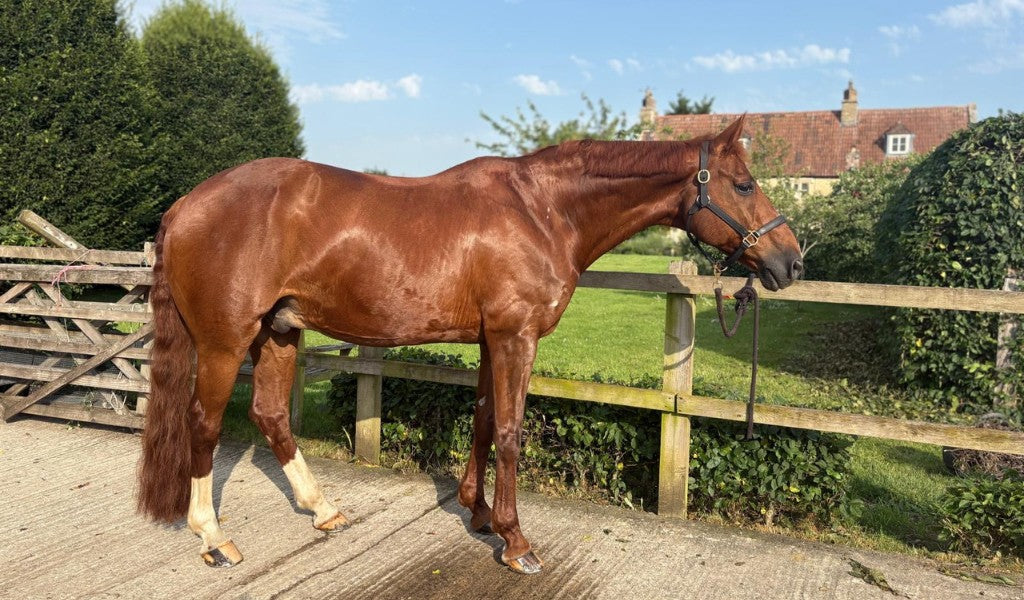
Sweet itch tends to affect specific parts of the body. The mane and tail are often the first areas owners notice. Hair may become broken, thin or completely absent in places. Some horses also develop irritation along the belly line, face and ears.
In more advanced cases, the skin can become thickened and wrinkled due to repeated inflammation and rubbing. One of the most distinctive features is the intensity of the itching is that horses will often go to remarkable lengths to scratch themselves, sometimes causing significant self-trauma in the process.
Why some horses are more affected than others
The traditional sweet itch conversation focuses almost entirely on midges, but increasingly, scientists are becoming interested in the factors that influence immune resilience.
Why do some horses develop strong allergic reactions while others remain relatively unaffected?
We don’t yet have all the answers. What we do know is that the digestive system and immune system are closely connected. In mammals, a large proportion of immune activity takes place within tissues associated with the digestive tract. The microbes that live within the gut are not passive passengers. They interact continuously with the immune system, helping it distinguish between genuine threats and harmless substances. This relationship is now one of the most exciting areas of research in both human and animal health.
The forgotten connection between the gut and the skin
At microbz, we often talk about the horse as an ecosystem. Inside every horse lives a vast community of microbes. Collectively known as the microbiome, these bacteria, yeasts and other microorganisms help break down food, produce nutrients and support normal digestive function, but their influence may extend much further than that.
Researchers increasingly describe a gut-skin axis, recognising that digestive health and skin health are not entirely separate systems. While more equine-specific research is still needed, studies across multiple species suggest that microbial diversity may play a role in supporting healthy immune responses.
This doesn’t mean gut health is a sweet itch treatment but it does mean that supporting digestive health may be an important part of supporting overall wellbeing and resilience. The skin, gut, immune system and environment are constantly communicating with one another.
What to feed a horse with sweet itch
One of the most common questions owners ask is:
“What should I feed a horse with sweet itch?”
There is no single diet that works for every horse. However, many nutritionists recommend focusing on overall health rather than chasing miracle ingredients.
A good starting point includes:
• consistent access to quality forage
• a balanced diet appropriate for workload and condition
• avoiding unnecessary dietary changes
• supporting digestive health
• ensuring adequate vitamin and mineral intake
• maintaining healthy body condition
Many owners also choose to include sources of omega-3 fatty acids as part of a balanced feeding programme. The aim is not to target sweet itch directly but to support the horse as a whole.
Can a gut supplement help?
While no gut supplement should be viewed as a sweet itch treatment, supporting digestive health is becoming an increasingly important consideration for horse owners. Horse gut supplements like microbz horse nutrition contains live beneficial microbes produced through a traditional fermentation process. It is designed to support the hindgut environment, it works alongside your horse’s existing microbial community.
Many owners choose to include a gut supplement for horses as part of a wider management approach that includes nutrition, environmental management and good husbandry.
Practical sweet itch management
Most successful sweet itch management plans combine several strategies. These may include:
• reduce midge exposure: midges are most active at dawn and dusk. Where practical, stabling during these periods may help reduce exposure.
• use sweet itch rugs: specialist rugs can create a physical barrier between the horse and biting insects.
• avoid high-risk areas: marshy ground, standing water and sheltered areas often attract larger numbers of midges.
• encourage air movement: midges are weak fliers. Good airflow within stables can help make the environment less attractive to them.
• support overall health: good nutrition, digestive support and sensible management all contribute to maintaining overall wellbeing.
Is there a cure for sweet itch?
No. It’s important to be cautious of anyone who claims otherwise. Sweet itch is a lifelong allergic condition however; many horses can be managed extremely successfully. With the right combination of environmental management, nutritional support and preventative measures, affected horses often continue to live active, comfortable and enjoyable lives.
Should I buy a horse with sweet itch?
This is another common question. The answer depends on your circumstances. Sweet itch requires ongoing management, and some horses are affected more severely than others. However, many horses with sweet itch compete, hack, hunt and enjoy full working lives.
Understanding the condition and being prepared for the additional management requirements is usually more important than the diagnosis itself.
A different way of looking at sweet itch
For years, sweet itch has been viewed almost entirely through the lens of insects and skin, which are factors that remain important. The emerging science of the microbiome reminds us that health is rarely isolated to a single organ or body part and that every horse is a living ecosystem.
Their skin interacts with their immune system. Their immune system interacts with their gut. Their gut interacts with the food they eat and the environment they live in. The more we learn, the clearer it becomes that supporting health often means looking at the whole horse rather than a single symptom and perhaps resilience is built from the ground up.
Try microbz horse nutrition today and see the difference for yourself!
"My horse's coat looks amazing since being on microbz he's looking and feeling really good" - Debbie M.
References
British Horse Society (2025) Sweet Itch. Available at: https://www.bhs.org.uk/horse-care-and-welfare/health-care-management/horse-health/equine-diseases/sweet-itch/ (Accessed: 24 June 2026).
Mach, N., Foury, A., Kittelmann, S., Reigner, F., Moroldo, M. and Ballester, M. (2020) ‘The effects of weaning methods on gut microbiota composition and horse physiology’, Frontiers in Physiology, 11, 601882.
Marschang, F., Hofer-Inteeworn, N. and Favrot, C. (2023) ‘Equine insect bite hypersensitivity: current understanding and future directions’, Equine Veterinary Education, 35(6), pp. 324–333.
National Research Council (2007) Nutrient Requirements of Horses. 6th Revised Edition. Washington, DC: National Academies Press.
Salem, S.E., Maddox, T.W., Berg, A., Antczak, P., Ketley, J.M., Williams, N.J. and Archer, D.C. (2018) ‘Variation in faecal microbiota in a group of horses managed at pasture over a 12-month period’, Scientific Reports, 8, Article 8510.
Steelman, C.D., Brown, M.A., Gbur, E.E. and Tolley, G. (1997) ‘The effects of environment on populations of Culicoides spp. and implications for sweet itch in horses’, Veterinary Parasitology, 71(2–3), pp. 179–192.
Wickens, C.L. and McFarlane, D. (2020) ‘Insights into equine gut microbiota and implications for health and disease’, Animals, 10(12), Article 2354.