
Your liver is a super organ. Not only is it the largest solid organ in your body, about the size of a rugby ball, it also performs over 500 vital functions, starting with filtering out toxins, breaking down food and converting it into energy.
Once it was considered the seat of life; hence its name being liver, the thing you cannot live without.
But your liver doesn’t shout for attention. It just gets on with the job.
Quietly, continuously, and without complaint, it filters your blood, processes nutrients, neutralises toxins, produces bile, balances hormones, regulates cholesterol, and supports immunity. It does all of this while working hand-in-hand with another complex ecosystem that often gets overlooked in conversations about liver health: your gut microbes.
Modern health conversations tend to treat organs in isolation. Liver health here. Gut health there. Heart programmes over there. But biology doesn’t work in neat silos. Your liver and your gut form an integrated system, connected physically, chemically, and microbially through what scientists now call the gut–liver axis.
Understanding this relationship is one of the most important shifts in modern digestive health science and it’s where probiotics, particularly living, adaptive ones, make real sense.
More than a detox organ
Your liver is often reduced to a single job description: detoxification. But that’s only part of the story.
Everything you absorb from your digestive tract passes directly to your liver via the portal vein. This means your liver is the first organ to process what you eat and drink. It assesses whatever nutrients, microbes, metabolites, medications, alcohol, and environmental chemicals are entering your bloodstream.
It then decides what to:
• Use immediately
• Store for later
• Convert into other compounds
• Neutralise and excrete
To do this effectively, the liver relies on well-functioning digestion, healthy bile flow, and a balanced gut microbiome.
Without these, the liver becomes overloaded, not because it’s failing, but because the system supporting it is under strain.
How can I tell if my liver is struggling?
Signs your liver is struggling include persistent fatigue, unexplained weight loss, nausea, itchy skin, jaundice (yellow skin/eyes), dark urine, abdominal pain and confusion.
Early liver disease often shows few symptoms, but these signs indicate damage, and they could signal that the liver is less able to function properly.
You cannot "detox" your liver without maintaining a healthy lifestyle.
Look after your liver by maintaining a healthy weight through a balanced diet, high in fibre, low in sugar and fat, exercising for 30 minutes daily, limiting alcohol to under 14 units weekly with consecutive dry days, and drinking coffee in moderation.
Take a live natural probiotic to boost the gut microbiome and, as far as possible, avoid unnecessary medication, toxins, and highly processed foods that disrupt gut health.
The gut–liver axis: a two-way conversation
The gut and liver communicate constantly through:
• Blood flow (via the portal vein)
• Bile acids
• Immune signalling
• Microbial metabolites
When the gut microbiome is diverse and balanced, it helps maintain the integrity of the gut lining, keeping potentially harmful substances where they belong; inside the digestive tract.
When microbial balance is lost, the gut barrier can become more permeable. This allows bacterial fragments such as lipopolysaccharides (LPS) to pass into circulation and reach the liver. Research shows that this process can trigger low-grade inflammation in liver tissue and contribute to metabolic stress.
In other words, your liver often pays the price for an unhappy gut.

Pathway of the gut-liver axis
Bile: where liver health and microbes truly meet
Bile is one of the liver’s most important digestive tools. It emulsifies fats, supports the absorption of fat-soluble vitamins, and helps remove waste products from the body.
But bile doesn’t just flow one way. Once released into the gut, bile acids are chemically modified by gut microbes into secondary bile acids. These compounds act as powerful signalling molecules that influence:
• Metabolism
• Inflammation
• Blood sugar regulation
• Immune function
Healthy microbes help recycle bile efficiently. Disrupted microbial communities can impair bile metabolism, leading to sluggish digestion, poor fat absorption, and extra pressure on the liver.
This is a perfect example of why liver health cannot be separated from microbial health.
What the research is now showing
Over the past decade, research from universities and medical institutions worldwide has consistently demonstrated that changes in gut microbiome communities are associated with liver conditions, metabolic dysfunction, and inflammatory load.
Key findings from recent studies include:
• Reduced microbial diversity is commonly observed in people with fatty liver conditions
• Certain microbial metabolites can either protect the liver or promote inflammation depending on microbial balance
• Supporting the gut lining reduces inflammatory signalling to the liver
• Probiotic and fermented interventions can influence bile acid metabolism and endotoxin levels
Importantly, this research is shifting focus away from “detox hacks” and towards daily microbial support as an essential strategy.
Why probiotics can support liver function
A well-chosen probiotic doesn’t detox your liver for you. Your liver already knows how to do that. What it can do is support the systems your liver relies on to function efficiently. Living, versatile probiotics can help:
• Increase microbial diversity in the gut
• Support gut barrier integrity
• Reduce the burden of inflammatory by-products reaching the liver
• Encourage healthy bile metabolism
• Support immune balance rather than overstimulation
At microbz, we think of this as working with biology, not overriding it.
A soil-first perspective on liver health
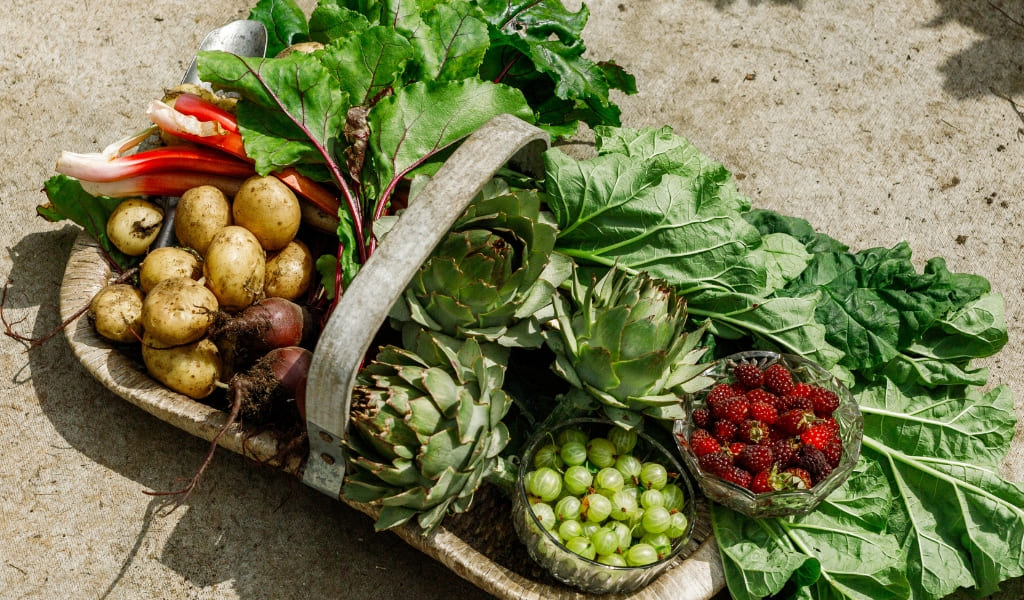
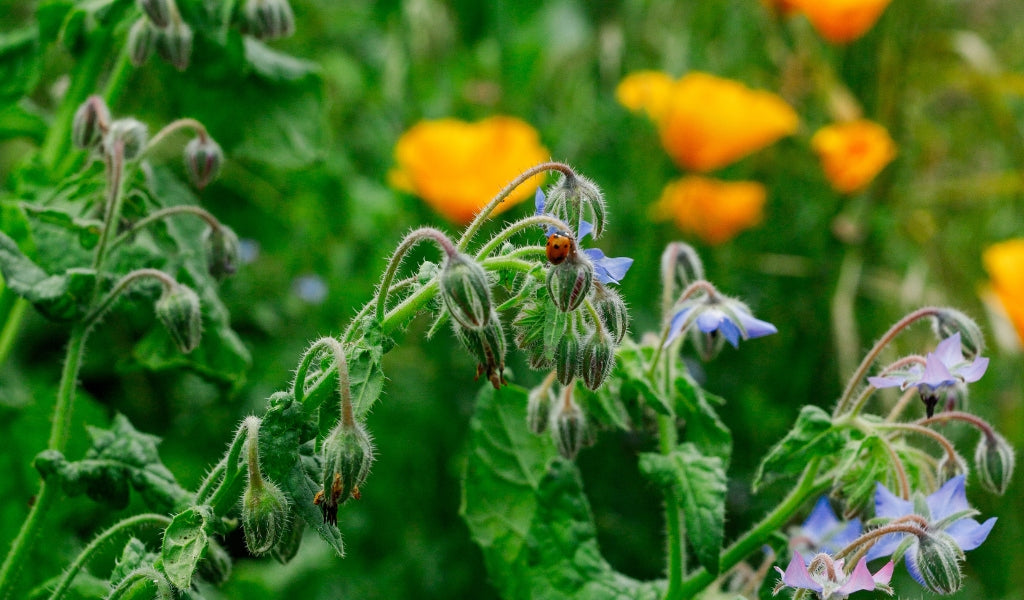
Human microbial diversity didn’t evolve in isolation. It evolved in constant contact with soil, plants, animals, and the wider environment.
Modern lifestyles, sterile food systems, reduced outdoor exposure and highly processed diets have narrowed our microbial inputs. This loss of diversity doesn’t just affect digestion; it ripples through immune regulation, metabolic health, and detoxification pathways.
From a microbz perspective, supporting liver health is not about forcing detoxification. It’s about restoring microbial conversations that the body expects to have:
• Healthy soil is teeming with diverse microorganisms.
• Diverse microorganisms grow nutrient dense crops, rich in antioxidants, vitamins and minerals.
• Nutrient dense foods build healthy gut microbiomes.
• And a healthy gut reduces liver inflammation, helps detoxification, and prevents chronic diseases like Non-Alcoholic Fatty Liver Disease (NAFLD).
Plants grown in healthy, organic, and mineral-rich soil are more capable of protecting liver cells against oxidative stress.
In short, nutrient-dense soil supports liver health by producing foods rich in antioxidants, vitamins, and minerals that reduce liver inflammation.
So, supporting your liver could start in the gut
If you want to support your liver long-term, the most powerful questions aren’t: “how do I detox?” or “what cleanse should I do?”
They’re simpler
• How diverse is my gut microbiome?
• How well is my digestion functioning day to day?
• Am I supporting bile flow, not blocking it?
• Am I working with my body’s systems or constantly pushing against them?
Your liver is not separate from your gut. It’s in conversation with it every single day. Support that conversation, and your amazing liver can do what it’s always done best, quietly keeping you well.
References
Pabst, O., Hornef, M.W., Schaap, F.G. et al. (2023) ‘Gut–liver axis: barriers and functional circuits’, Nature Reviews Gastroenterology & Hepatology, 20, pp. 447–461. Available at: https://doi.org/10.1038/s41575-023-00771-6
(Accessed: 11 February 2026).
Collins, S.L., Stine, J.G., Bisanz, J.E. et al. (2023) ‘Bile acids and the gut microbiota: metabolic interactions and impacts on disease’, Nature Reviews Microbiology, 21, pp. 236–247. Available at: https://doi.org/10.1038/s41579-022-00805-x (Accessed: 11 February 2026).
Banerjee, S. & van der Heijden, M.G.A. (2023) ‘Soil microbiomes and one health’, Nature Reviews Microbiology, 21, pp. 6–20. Available at: https://doi.org/10.1038/s41579-022-00779-w (Accessed: 11 February 2026).
Longo, V. et al. (2024) ‘Intestinal barrier permeability: the influence of gut microbiota, nutrition, and exercise’, Frontiers in Physiology, 15, Article 1380713. Available at: https://www.frontiersin.org/articles/10.3389/fphys.2024.1380713/full (Accessed: 11 February 2026).
Ma, L.-C., Zhao, H.-Q., Wu, L.B. et al. (2023) ‘Impact of the microbiome on human, animal, and environmental health from a One Health perspective’, Science in One Health, 2, Article 100037. Available at: https://doi.org/10.1016/j.soh.2023.100037 (Accessed: 11 February 2026).