


Saw Palmetto
Serenoa repens / Sabal Serrulata
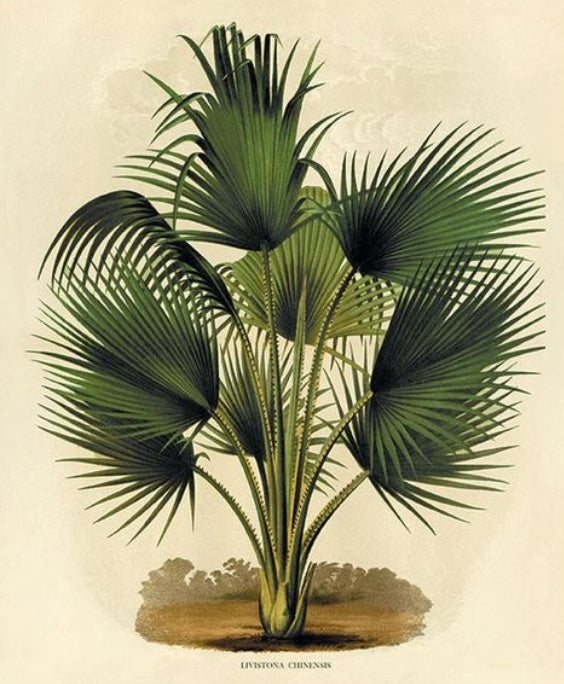
Family: Serenoa (Aceraceae Palmae)
Which probiotic is it in?: Men
Habit and cultivation: Native to southeastern US
Actions (known for): Prostate protective, bladder and urinary tonic.
History of Saw Palmetto
Parts used from the Saw Palmetto
Berries – usually used as a tincture or homeopathically.
Constituents (bio available chemicals):
Fatty acids, linoleate, stearate, palmitate, oleate, myristate, and laurate. Phytosterols campesterol, stigmasterol, β-sitosterol.
Nutritional constituents:
High amounts of chromium, fibre, iron, magnesium, manganese, niacin, phosphorus, potassium, riboflavin, selenium, silicon, thiamine, and zinc. Average to low amounts of calcium, cobalt, protein, sodium, and vitamins A and C.
Indications:
Benign prostatic hyperplasia (BPH), reproductive tonic for both men and women, urinary function, anxiety.
Dosage:
The average is up to 300mg dried fruit as capsules daily.
British Herbal Pharmacopoeia
Cautions for therapeutic doses
To be avoided under 18 and in pregnancy, but is generally considered safe without toxic effects.

