

Pine Bark Extract
Pinus Pinaster
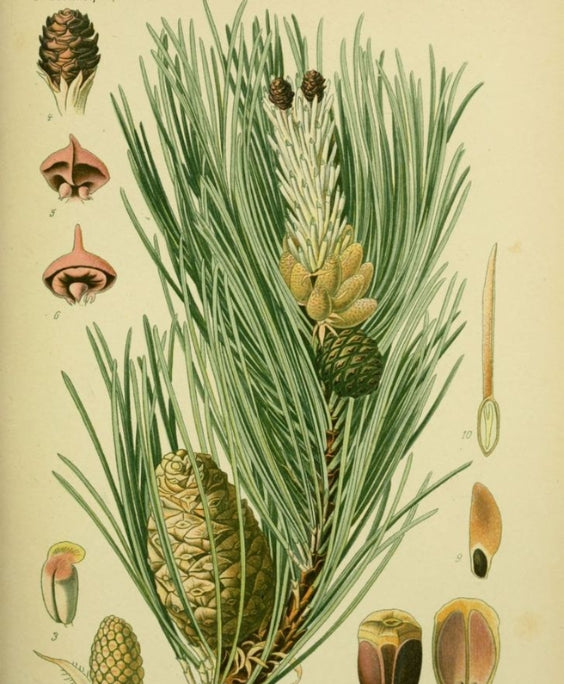
Family: Pinaceae
Which probiotic is it in?: Men
Habit and cultivation: Coastal sands and dunes, and also mountains. Particularly in Europe, the western Mediterranean and southern Britain. Needs sun.
Actions (known for): Anti-oxidant, anti-microbial, anti-inflammatory. Cardiovascular benefits
History of Pine Bark Extract
Parts used from the Pine Bark Extract
Bark
Constituents (bio available chemicals):
Rich in polyphenols and bioflavonoids such as procyanidins, catechins, epicatechins, phenolic acids – different species have different quantities.
Nutritional constituents:
Maritime pine was found to have high quantities of vitamin C which helps regenerate vitamin C in the body.
Indications:
Inflammatory conditions such as retinopathy and arthritis, heart disease, poor circulation and neurodegenerative conditions and some studies show it may support male fertility.
Dosage:
Average is around 120-250mg per day in capsules.
British Herbal Pharmacopoeia
Cautions for therapeutic doses
No reported interaction,s but caution if on immunosuppressants, diabetic meds or blood thinners. Generally well tolerated, but a few report gastrointestinal upset, headaches and dizziness on therapeutic doses.

