

Burdock Root
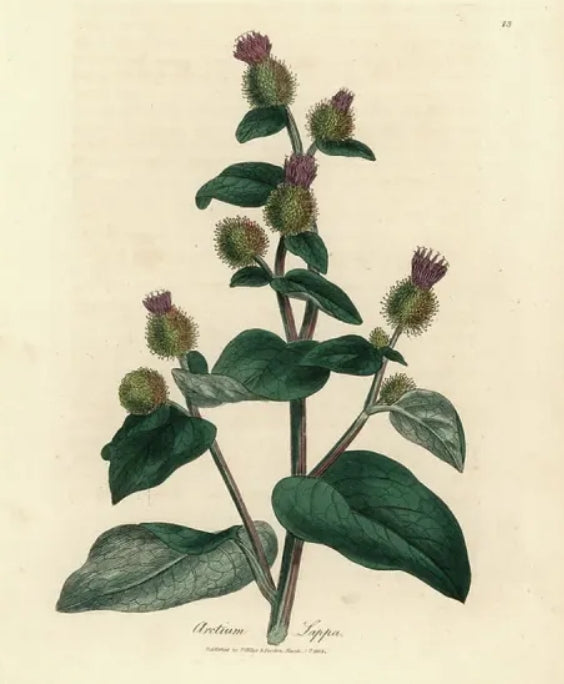
Arctium Lappa
Family: Asteraceae / Daisy
Which probiotic is it in?: Men
Habit and cultivation: Native to Asia, abundant in the UK and Europe and now in northern North America.
Actions (known for): Blood cleansing and detoxing – increase bile flow, but also nutrative, diuretic, diaphoretic, tonic and prebiotic. Increase important fatty-acid absorption which indirectly supports the endocrine and nervous systems.
History of Burdock Root
Parts used from the Burdock Root
Roots mostly, also seeds and leaves
Constituents (bio available chemicals):
Lignans (arctigenin, arctiin, matairesinol), arctopricrin, bitter glycoside arctin, polyacetylenes, carbohydrates: inulin, mucilage, pectin, sugars. Phenolic acids (caffeic, chlorogenic), fatty acids, and organic acids.
Nutritional constituents:
We use it less these days as a food, but it can be used like carrots/parsnips and is very popular in Japan (Gobo). Slightly bitter but also sweet in an artichoke sort of way. The root contains 11% proteins, 19% lipids and 34% inulin, which are attributed to its digestive and nutritive qualities. Inulin is the primary prebiotic sugar, which helps to strengthen the gut flora, and the general lipids and proteins will be nutritive to the entire system.
Indications:
Digestive dysbiosis, dryness, though also damp, stagnant, congested tissues, especially in the liver, kidneys and circulation. Skin issues and weakness.
Dosage:
Generally 1 heaped tbsp of root to 250ml water, simmered and steeped. 1-3 cups throughout the day.
British Herbal Pharmacopoeia
Cautions for therapeutic doses
Avoid in early stages of pregnancy, but it is mild and gentle in nature so generally does not have noted contraindications. Be aware if on blood sugar medication or if treating a very toxic system or extreme skin conditions, start slow

