




Healthy soil. Healthy plants. Healthy people.
We have learned to care about the microbes in our gut; the microbes in our fields now deserve the same attention.

For the last century, we've asked chemistry to do more and more of the work of nature.
It's helped us produce extraordinary amounts of food, but also created a farming system heavily dependent on synthetic inputs, with growing pressure on our soils and natural resources.
We believe the next agricultural revolution is already beneath our feet.
Our living microbial solutions, developed from microbes originally collected on our organic farm, work with nature to support productive crops, resilient soils and a healthier food system.

“As farmers we know that biology works. We can see it in the fields. It makes every process more productive, supports the environment and helps us grow better tasting food. We need help from governments and supply chains to move to a system where biology is included.”
Tim Parton. Regenerative Farmer.
As seen in......




Let's grow a healthier future together
We believe the future of food starts with living soil. We're looking for forward-thinking farmers, food businesses, researchers and organisations who want to explore how microbial solutions can support healthier soils, more resilient crops and a better food system
It's all connected:

Soil
Living microbes cycle nutrients
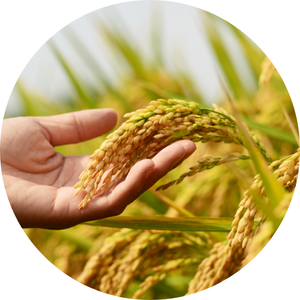
Plants
Better nutrient uptake & resilience
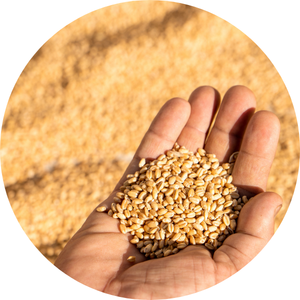
Food
More nutrients on your plate

Gut
Diverse microbiome health & wellbeing
The problem food is facing...
Modern agriculture has become extraordinarily good at producing food but research suggests that the nutritional quality of some of our food has declined. Decades of farming for yield have left many crops with 20 to 50% less of several key nutrients.
Zinc: Down 27% | Iron: Down 24% | Copper: Down 20% | Calcium: Down 16% | Sodium: Down 29% | Magnesium: Down 16% | Potassium: Down 16%
How can soil microbes help grow more nutritious food?
Unlock nutrients: Over 95% of soil nitrogen and 98% of sulphur are held in organic forms that require microbial activity to become available to plants.
Improve mineral uptake: microbial inoculation increased plant sulphate by 239% and potassium by 31%, using half the conventional NPK fertiliser.
Increase zinc availability: mycorrhizal fungi help plants access zinc, an essential mineral for human health.
Build living soils: Soils with approximately twice the organic matter produced crops richer in several vitamins, minerals and beneficial plant compounds.
Support nutrient absorption: Beneficial root-zone microbes help plants access and absorb nutrients more efficiently.
Reduce fertiliser dependence: Biological nutrient cycling offers opportunities to maintain crop nutrition while reducing synthetic fertiliser inputs
Reference recent report Hollow Harvests by deep science ventures here
Evidence so far...
The power of microbes: growing wheat with fewer chemical inputs
An RAU dissertation project performed by Amber Casey looked at growing wheat in pot trials using synthetic fertilisers and microbes and these were her findings.
- Comparable wheat growth to conventional fertilisers. Both microbz treatments achieved similar plant growth to synthetic and organic fertilisers, although differences were not statistically significant.
- Less disruption to soil chemistry. Microbz maintained soil pH close to the untreated control, while synthetic fertiliser reduced pH to 6.18.
- Promising nutrient availability. Microbz foliar produced the second-highest soil nitrate concentration (21.02 mg/L), without the significant pH changes associated with synthetic fertiliser.
- Similar plant performance with lower nitrate availability. microbz-treated wheat grew comparably to conventionally fertilised wheat despite having less immediately available nitrate, suggesting potential for more efficient nutrient management.
- Potential to reduce reliance on synthetic fertilisers. The study supports further investigation of microbz as part of sustainable nutrient management, although longer-term field trials are needed to demonstrate reduced fertiliser requirements, improved yields or lasting soil-health benefits
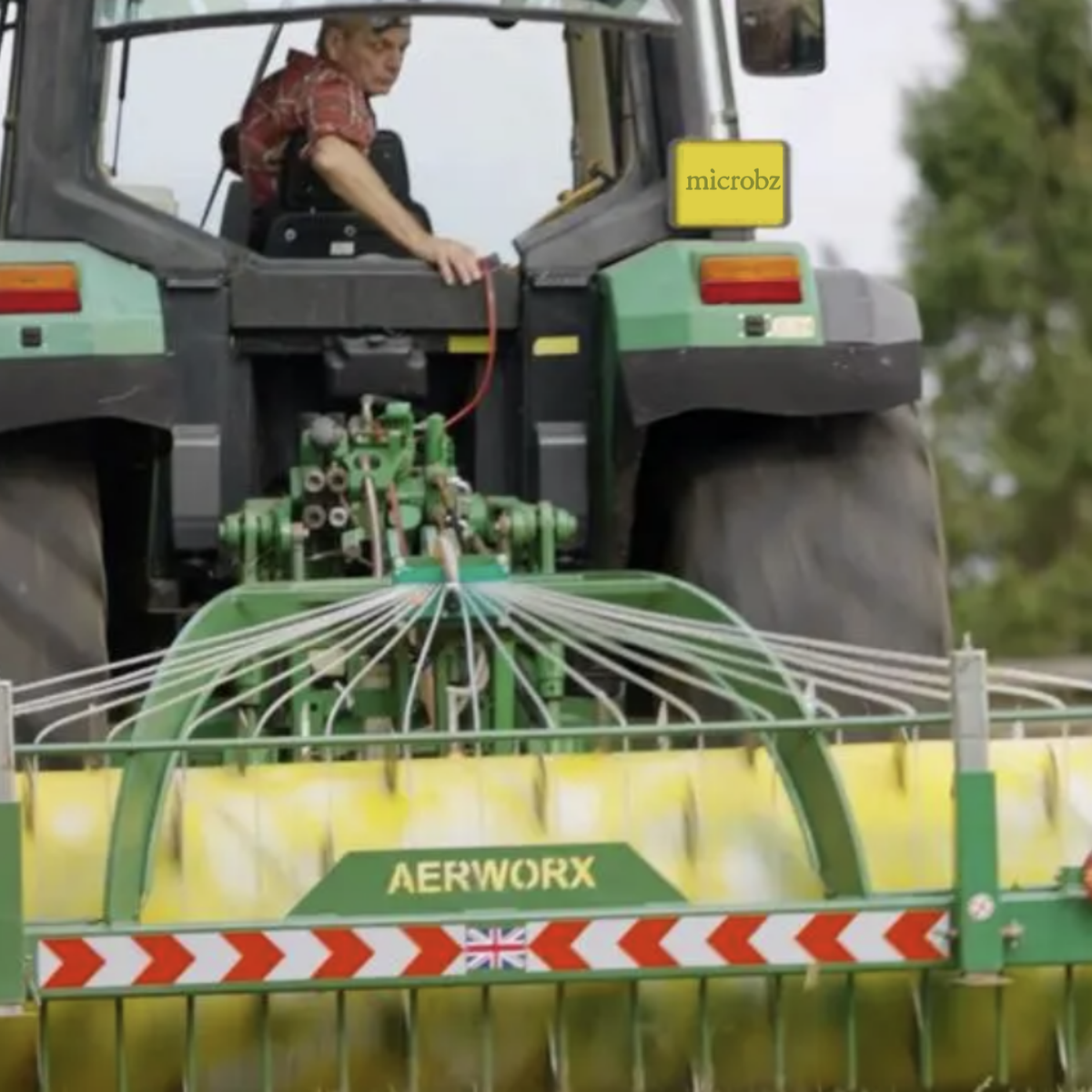
The power of microbes and mechanical aeration to beat compaction, increase water infiltration and protect against drought
Microbz and AerWorx delivers 26% better pasture performance compared to untreated control in on-farm trial
- 15% better pasture performance with microbz alone: delivering a 261 kg/ha greater net gain over the 12-month trial than the untreated control, ranking among the strongest-performing products tested.
- 26% better pasture performance with microbz and AerWorx combined: with a 456 kg/ha greater net gain in standing grass dry matter over the year than the untreated control, despite the drought.
- 86% improvement in soil water infiltration compared with pre aeration rates. Demonstrating an enhanced ability to capture rainwater, potentially helping to buffer the pasture against the impact of the 2026 summer drought.
- During the drought, Microbz and Aerworx combination showed only 6.5% of the dry matter loss (-30kg/ha) recorded for the control.
*aeration with an AerWorx drum and blade aerator
Read the research here
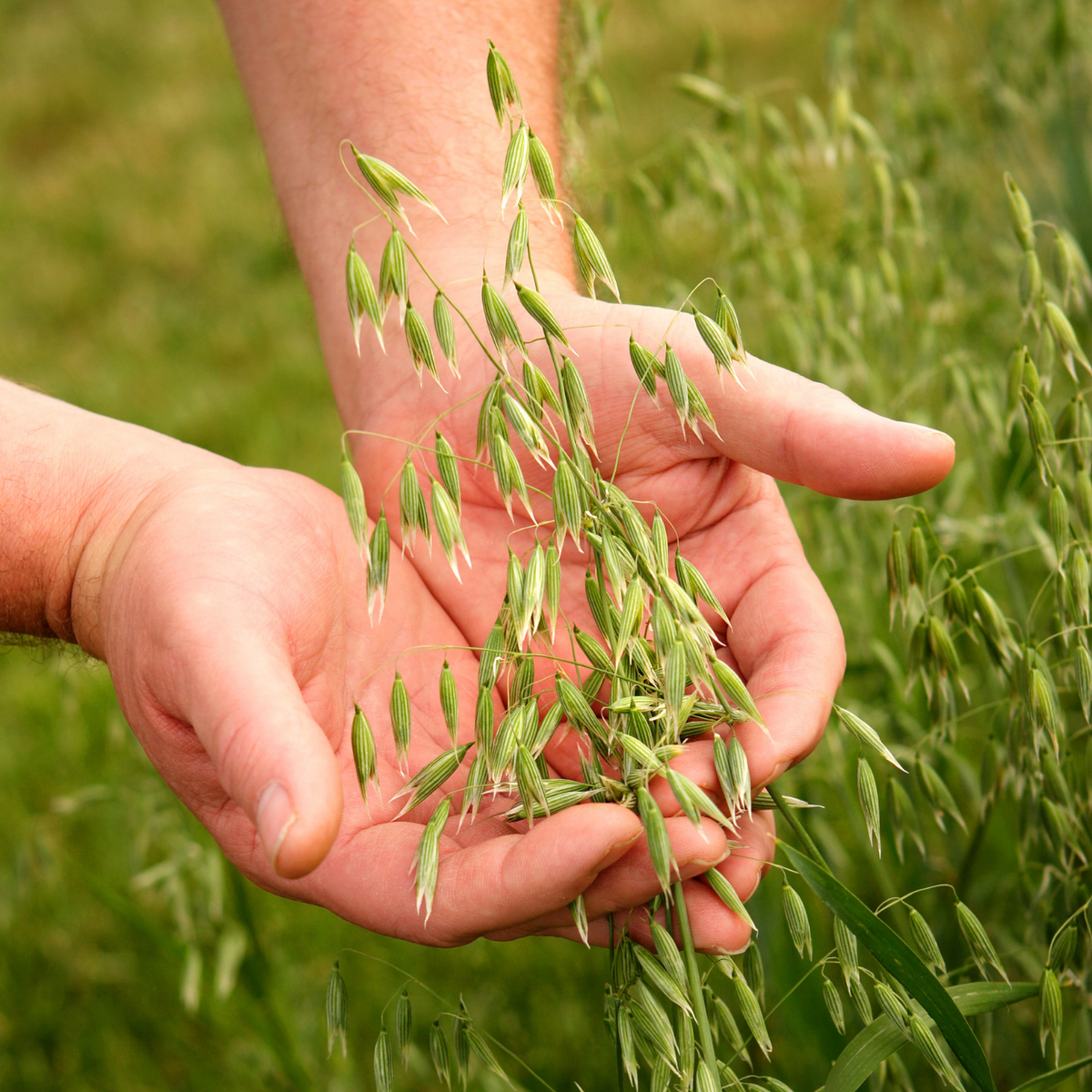
How soil microbes helped oats thrive through drought
In one of the hottest, driest growing seasons on record an on-farm trial in Oxfordshire showed promising results for microbz soil.
- 73% higher oat yield: Microbz-treated oats yielded 2.6 tonnes per hectare compared with 1.5 tonnes in the untreated control.
- 30% more soil nitrogen: Treated soil contained 0.323% nitrogen compared with 0.247% in the control.
- Stronger crop establishment: Treated oats showed more vigorous growth, taller crops and stronger stems.
- Reduced weed pressure: The treated area showed visibly lower weed pressure during the growing season.
- Tested through extreme drought: The results were achieved during the exceptionally hot, dry 2025 growing season, with both plots receiving the same fertiliser inputs.
Let's grow a healthier future together
We believe the future of food starts with living soil. We're looking for forward-thinking farmers, food businesses, researchers and organisations who want to explore how microbial solutions can support healthier soils, more resilient crops and a better food system

