
Gotu Kola

Centella asiatica

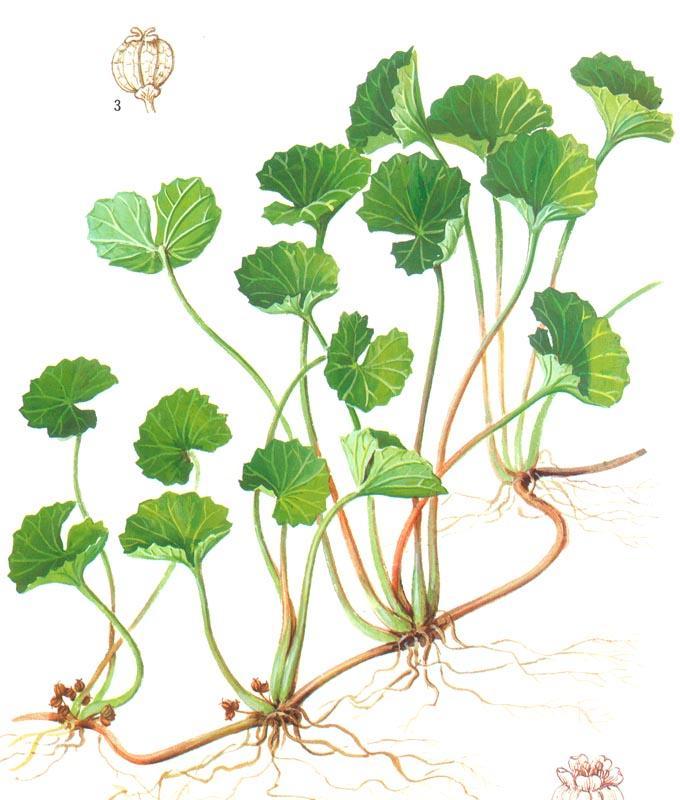
A small low creeping herbaceous plant with rounded simple green leaves and inconspicuous small white to purplish-pink flowers.

Family: Apiaceae

Which probiotic is it in?: Gota Kola is a key herb in Fitness

Habit and cultivation: Commonly grows in the damp, swampy regions of India, Sri Lanka, Madagascar, South Africa, and many other tropical and subtropical regions of the world.

Actions (known for): Immune enhancing, anti-viral, anti-inflammatory, anti-tumor, laxative, stimulate bile secretion, wound healing

History of Gotu Kola

Originally an Indian herb and considered the most important rejuvenating herb in Ayurvedic medicine. Also known as Hydrocotyle asiatica Gota Kola in Singhalese translates as cup-shaped leaf. Noted in the Chinese Shennong Herbal 1st to 2nd century as A “Miracle elixir of life” due to the fact that herbalist Li Ching-Yun believed to be as old as 197 used it daily. The Sri-Lankans noting the fact that elephants had an extended life span and ate Gotu Kola began to eat a few leaves daily in the hope of extending their own lives. Used as an aphrodisiac and various other conditions it was accepted by the French as a drug in 1800″s and incorporated into the Indian Pharmacopoeia in the 19th century. Used to make incense sticks for meditation but not burnt during meditation.

Parts used from the Gotu Kola

Dried whole plant

Constituents (bio available chemicals):

Triterpenes, triterpenoid ester glycosides and volitile oil.

Nutritional constituents:

Indications:

Speeds wound healing and new cell growth after surgery, supports soft tissue renewal in severe burns, connective tissue disorders, arthritis, builds collagen improving circulation, improves memory – boosts cognitive function, decreases anxiety and stress. Improves insomnia and joint pain.

Dosage:

Dry herb: 2 grams daily. Liquid extract (1:2): 20-40ml per week

British Herbal Pharmacopoeia

Cautions for therapeutic doses

Back to Microbzpedia