


Have you thought much about the cycle of life?
About how in nature everything moves through stages, not with a clear beginning or end, but through a continuous rhythm of growth, flourishing, decline, decay and renewal?
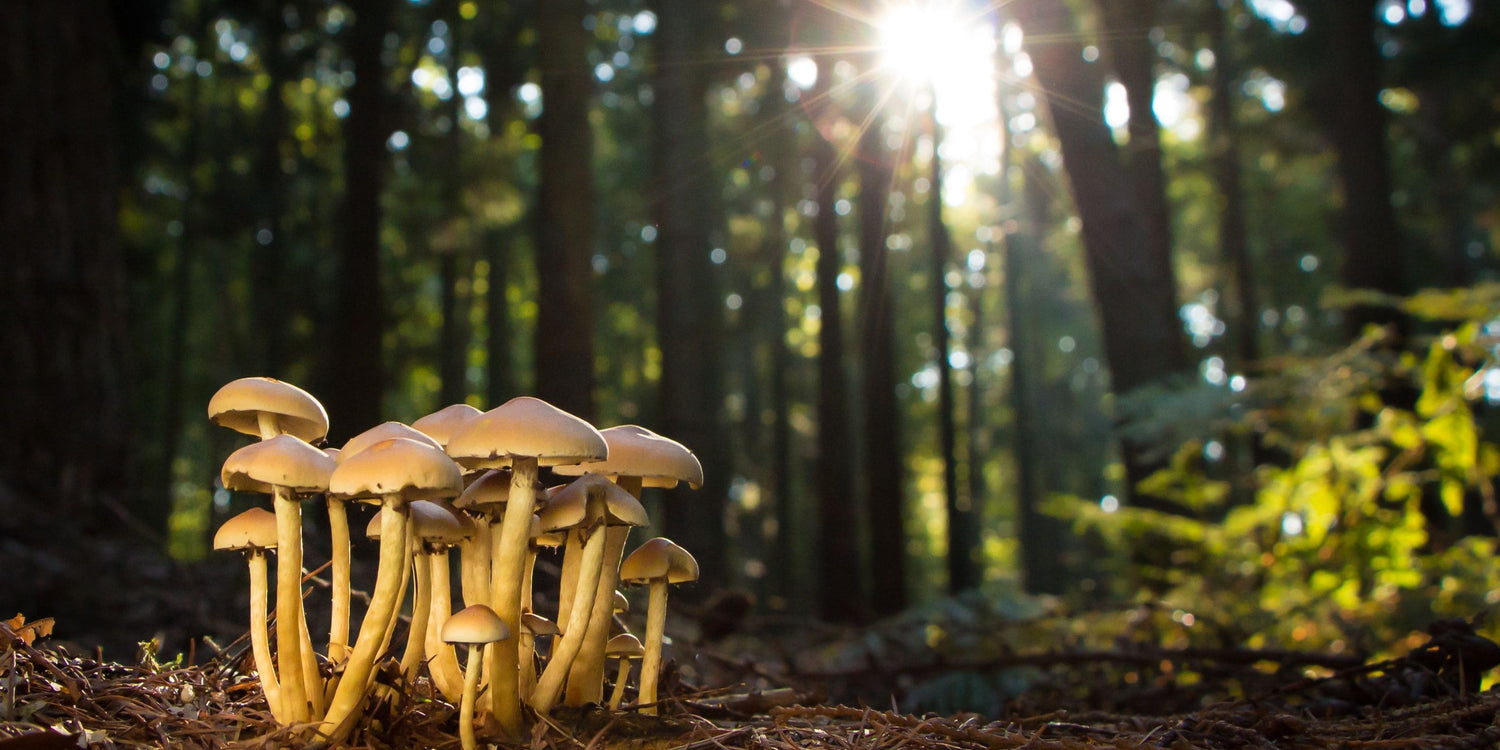
Forests grow and fall. Leaves unfurl and wither. Animals are born, live, and eventually return to the earth. Nothing is wasted. Nothing truly disappears.
And at the centre of this quiet, relentless cycle are microbes.
Soil microbes especially.
Why are microbes so important?
Because microbes do two fundamental things.
They break down.
And they build up.
They decompose what once was, and they nourish what will be. They transform complexity into simplicity, and simplicity into life again. Without them, the planet would be covered in layers of undecomposed matter. Nutrients would be locked away. New life would struggle to emerge.
Decomposition is not an afterthought in nature. It is one of its most important processes.
And microbes are its master recyclers.

A study that changes how you think about death
A recent study by Tennessee microbiologist Jennifer DeBruyn explored something both slightly gory and utterly fascinating.
When a person dies and is buried, it is the anaerobic microbes already living inside them that begin the decaying process. These microbes, adapted to low-oxygen environments, quickly get to work breaking down tissues.
At some point during decomposition, these host microbes come into contact with soil microbes.
Now, healthy soil contains billions of microbes in just a teaspoon. The soil microbiome is extraordinarily diverse. So DeBruyn expected that soil microbes would rapidly outcompete or consume the microbes from the decomposing body.
But that is not what happened.
Her research found that the host’s microbes, yes, the ones from the body that is decomposing - remained present in the surrounding soil for months, sometimes even years, after decomposition.
And here is the spectacular part.
Rather than being eliminated, microbes from the body appeared to cooperate with native soil microbes during decomposition. Instead of competition alone, there was collaboration.
Even in death, there is ecological teamwork.
Microbes as nutrient recyclers
It gets even better.
Microbes play an essential role in recycling nitrogen. As proteins break down, microbes convert organic nitrogen into inorganic forms such as ammonium and nitrate. These are compounds that plants and other microbes can use to build new tissues.
This microbial transformation is part of the nitrogen cycle which is one of the planet’s most fundamental biogeochemical processes.
Without microbial nitrogen cycling, plant growth would be severely limited. Ecosystems would stall.
This means that your dead body, if returned to the soil, truly becomes a gift to the planet.
Literally.
The pop-up food web
DeBruyn describes something beautifully ecological:
“Living animals are a bottleneck for the carbon and nutrient cycles of an ecosystem. They slowly accumulate nutrients and carbon from large areas of the landscape throughout their lives then deposit it all at once in a small, localised spot when they die. One dead animal can support a whole pop-up food web of microbes, soil fauna and arthropods that make their living off carcasses.”
When an animal dies in nature, it becomes the centre of intense biological activity. Microbes, insects, soil fauna and plants all respond. Nutrients are released into the surrounding soil. It is not uncommon to see plant life flourishing near a decomposing animal.
Death becomes nourishment.
This is not morbid. It is magnificent.
Carbon, nitrogen and the bigger picture
Decomposition is not simply about breaking down tissues. It is about carbon and nitrogen cycling which are processes that regulate soil fertility, plant growth and even climate stability.
Research published in Nature Reviews Microbiology has repeatedly emphasised that microbial decomposition is central to ecosystem function and carbon cycling. Soil microbes determine how quickly carbon is returned to the atmosphere or stored in soil organic matter.
In this sense, the cycle of life is also a climate story.
Every fallen leaf, every root fragment, every animal that returns to the soil feeds microbial communities. And those microbial communities determine how nutrients are recycled and redistributed.
We are not separate from this system. We are part of it.
A reminder of connection
It is easy in modern life to feel disconnected from natural processes. Death is often sanitised and hidden away. Soil is something we wipe off our shoes.
But in ecological terms, there is nothing wasteful about death.
Recycling nutrients from dead organic matter is a core process in all natural ecosystems. It fuels biodiversity. It strengthens food webs. It supports plant life, which supports animal life, which supports microbial life, and so the cycle continues.
Microbes ensure that nothing is truly lost.
They are the quiet custodians of continuity.
Soil as the great connector
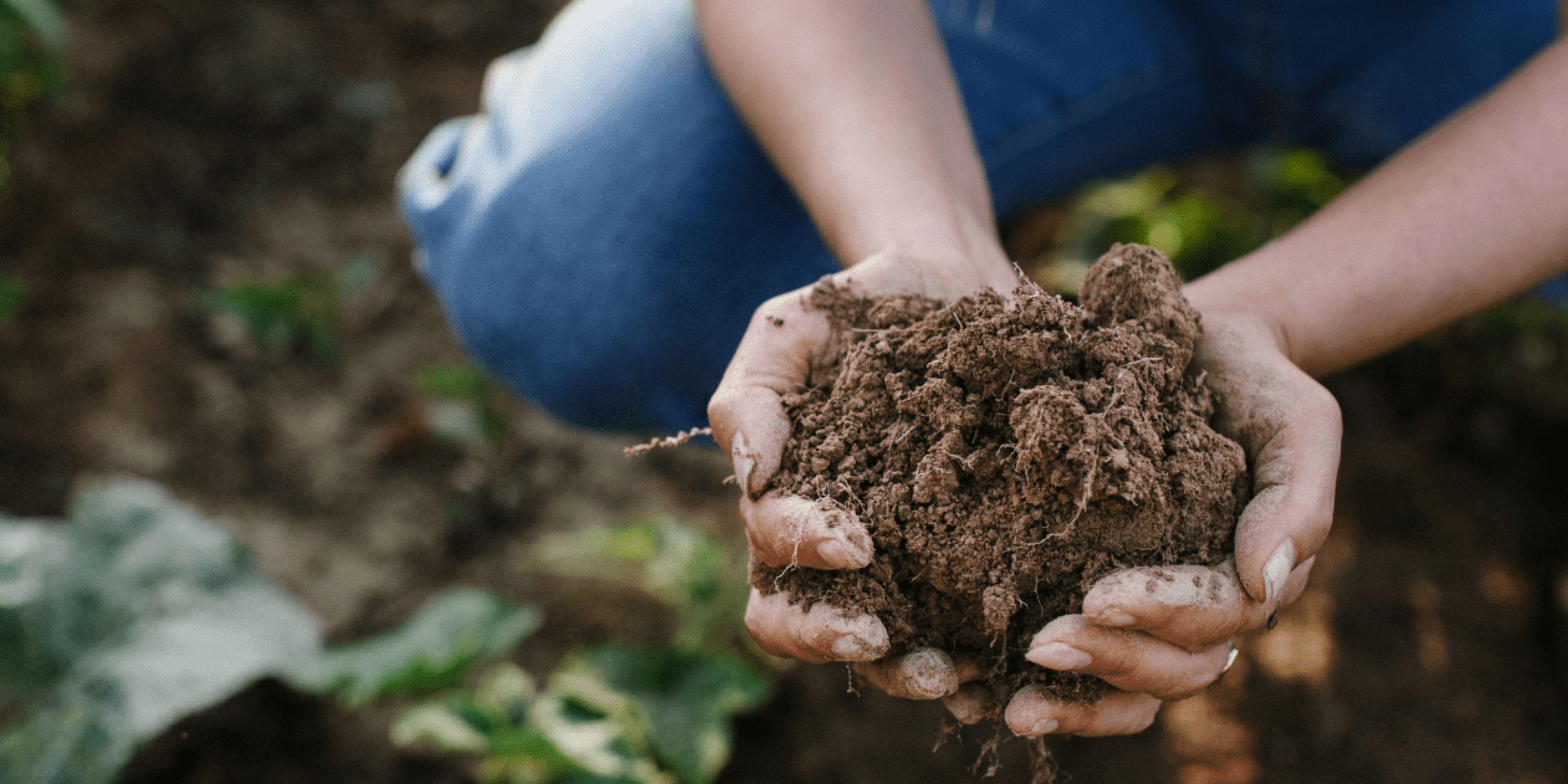
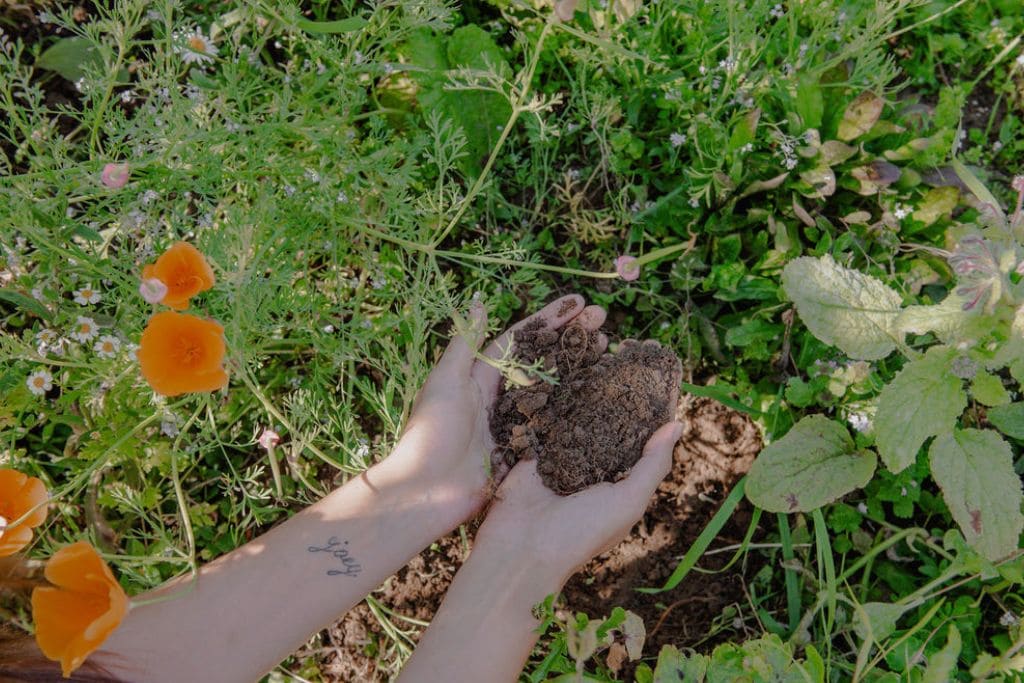
Healthy soil is not inert matter. It is alive. It is layered with billions of microorganisms working in collaboration and competition, forming networks with plant roots and exchanging nutrients.
When a body is returned to the earth, it does not simply disappear. It joins an existing conversation.
Carbon is redistributed. Nitrogen is transformed. Microbial communities adapt. Plants respond. Insects arrive. The ecosystem shifts and grows.
The cycle of life is not poetic metaphor. It is microbial reality.
What this means for us
This is a brilliant reminder that we are intimately connected to nature.
We begin life colonised by microbes. We live sustained by microbes. And eventually, microbes help return us to the system that sustained us.
In an age of chemical overuse and ecological simplification, remembering this can feel grounding.
We are not above nature.
We are participants in it.
Right, time to rewrite my funeral plan to ensure I give my body back to Mother Earth.