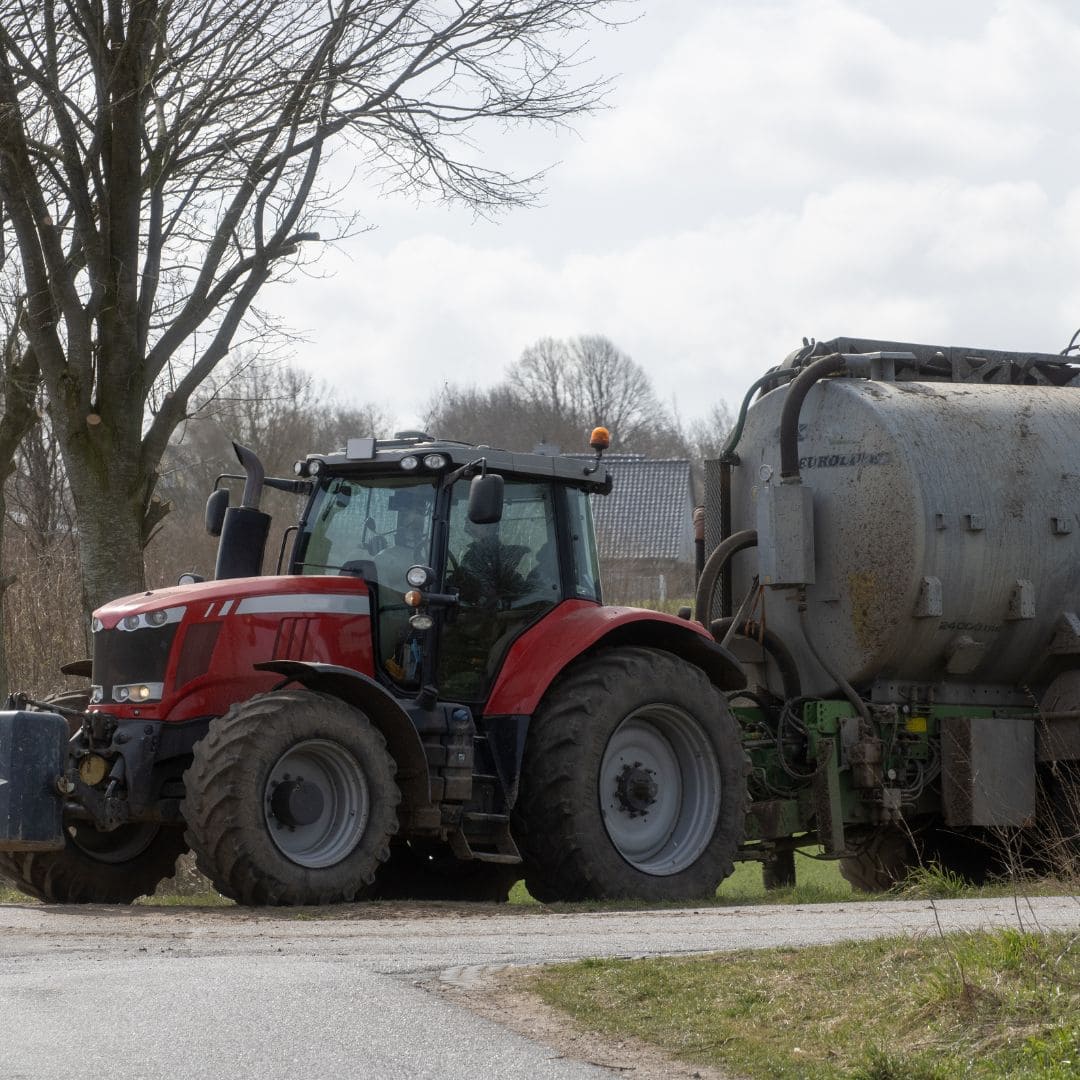
microbz slurry transforms putrefaction into beneficial fermentation, reducing toxicity and eliminating odours. It helps to lock in nitrogen andaccelerates nutrient absorption into the soil.
microbz slurry is a liquid concentrate for adding to slurry stores and tanks
Please note that orders of 600L and above are typically brewed to order and require a lead time of approximately 4 weeks from ordering.
For questions regarding lead times or availability, please contact agri@microbz.co.uk
Sale price£35.00
Key benefits
Maintains high nutrient levels and microbial content
Breaks down crust quicker to be enable better mixing and spreading
Turns putrefaction process into fermentation process, eliminating odours and flies
Harnesses vital nutrients by reducing nitrogen lost to the atmosphere
Detoxifies run-off and minimises risk to ground water
How to use
1L/m3 mixed direct into the pit or tank.
Contact agri@microbz.co.uk for questions or more information on application.
Store at room temperature and out of direct sunlight.
Ingredients
Purified water, beneficial microbes (lactic acid bacteria, yeasts and hydrocarbon processing bacteria), organic molasses, sea water concentrate, algae, rock dust.
How can I physically add microbz into my slurry pit?
Microbz Slurry comes in 25L drums or 600L and 1000L IBCs, making it easy to tip directly into the pit or pour via the IBC tap. You can also pour it into any drainage system leading to the pit if that’s safer or more convenient.
Can I use microbz Manure in my slurry?
Yes, they are the same product, just with different application rates and methods due to the higher water content in slurry. In slurry, microbz can be applied as a concentrate.
How long before spreading should I apply microbz into the slurry pit?
To help break down the crust and larger organic matter, it’s best to apply 4–6 weeks before spreading. When first introducing microbz to your slurry system, apply it regularly to build up a healthy microbial population as new slurry is added. If you’re spreading slurry from a source you can’t treat directly, you can also add microbz straight into the tanker, ensuring beneficial microbes are returned to the land when spread.